
The Wealth of Africa
Home to Major Natural Resources
The continent of Africa is known for its wealth of natural resources, including the largest reserves of cobalt, diamonds, platinum, and uranium. The Democratic Republic of the Congo (DRC) and Botswana are among the top producers of diamonds in Africa. According to the United Nations, 30% of the world’s mineral reserves, 8% of the world’s natural gas, and 12% of the world’s oil reserves are located there, all of which are vital to sustaining economies and human life. Moreover, it has 10% of the planet’s internal renewable freshwater resources.
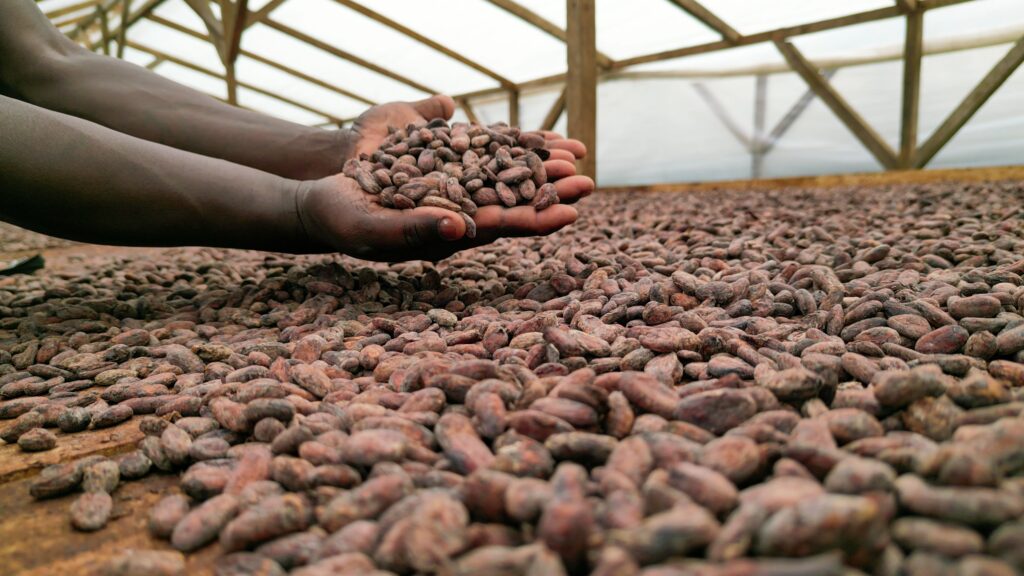
Chocolates are one of the most popular sweets worldwide, but did you know that roughly 70% of the global cacao supply comes from West Africa, mainly Côte d’Ivoire and Ghana? Without cocoa, the production of chocolate is impossible. Africa is also a major producer of coffee, with about 60 countries importing it from Ethiopia, including Japan, which is one of the top importers of Ethiopian coffee.
Foreign Exploitation and Traces of Colonialism
Considering all of the natural resources that are found in Africa, it should be one of the wealthiest places in the world. However, in 2021, the entire continent’s GDP amounted to roughly 2.73 trillion dollars, which is only 2 trillion dollars less than Japan’s GDP. Due to unequal trade relationships, Africa exports its raw materials at significantly low prices while importing goods at much higher costs, but what caused this to happen?
This can be traced back to Western colonialism. Under European colonial rule, raw materials in Africa were extracted mainly for consumption in Europe. In 1502, with the beginning of the transatlantic trade, Africans were abducted and taken to the Americas to work on European plantations as slaves. Raw materials extracted at low prices from African countries are used to manufacture high-value goods overseas; cocoa and coffee beans are just two such examples, which are then sold back to the countries they were sourced from at significantly high prices. However, because processing and manufacturing take place overseas, African countries do not receive most of the profits generated from their raw materials. This continued through the late 1800s and laid a foundation for the system that still exists today. Many critics argue that local efforts to increase production and achieve economic independence in Africa were disadvantaged not only by foreign competition and unequal treaties but also by global aid organizations.
Try to Learn About the Root Causes of Problems
African countries are spoken about as “underdeveloped” or “poor”, but this conversation cannot be had without learning about the beginning of their “underdevelopment”. It is also necessary to think about what “development” truly means, and in what context that word is used. “How Europe Underdeveloped Africa” by Guyanese scholar Walter Rodney, is an excellent book that thoroughly explains the economics of colonialism, while focusing on culture and education. As Walter Rodney stated, “In a way, underdevelopment is a paradox. Many parts of the world that are naturally rich are actually poor, and parts that are not so well off in wealth of soil and sub-soil are enjoying the highest standards of living.”
To learn about the economic inequalities affecting Africa, there are several films and documentaries that are worth watching. “Blood Diamond” is a well-known film about the civil war in Sierra Leone and diamond mining. The documentary “Cacao y los Japoneses”(巡る、カカオ — 神のフルーツに魅せられた日本人)is also a good example for those interested in small businesses and local industries in Africa. Although West Africa is home to cacao beans, which are necessary for making chocolate, many people there have never even tasted it. The documentary touches on the root causes of this reality and sheds light on small businesses that have begun operating differently so that farmers can receive a fairer share.
Written by まりか