
Why Do People Volunteer?
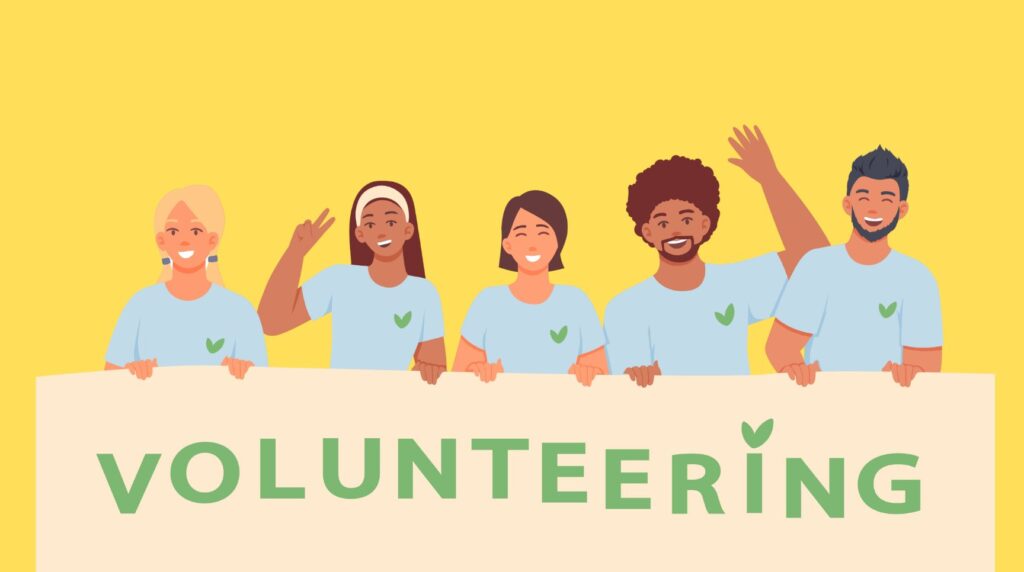
According to Japan’s Ministry of Health, Labour and Welfare, “volunteering” refers to actions people take of their own free will to contribute to others or society. In other words, it is not something people do because they are ordered to or because they expect to be paid. Some people may wonder why anyone would do this when there is no reward. However, volunteering is not only about giving. In many cases, volunteers feel that they receive more than they give.
So, why do people volunteer? This article explores three main reasons: a natural sense of caring, the desire to give back, and the decision to respond in difficult times.
A Natural Sense of Caring
People are different in many ways. Some are brave, some are creative, and some quickly notice when others are in trouble. For certain people, helping others is not something they have to force themselves to do. Even when they are young, they may comfort a crying friend, invite a lonely classmate to join a group, or stand up for someone who is being treated unfairly.
As they grow older, this attitude may lead them to volunteer in places where support is greatly needed. Some may help at a children’s center, visit elderly people who live alone, or serve meals at a local food bank. Others may travel to poor or war-torn areas to assist people who have lost their homes or schools. For these volunteers, helping others is not just a duty. It is a natural part of how they live.
Giving Back to Others
Another common reason people volunteer is that they want to give back. Many people have received help during difficult times in their lives. Because they remember how much that help meant to them, they want to do something for people facing similar problems.
For example, someone who once struggled with drug addiction and received guidance from a counselor or volunteer group may later work with people going through the same experience. A student who was able to continue studying because of free tutoring may later teach children who cannot afford lessons. In these cases, volunteering becomes a way to show gratitude. It also continues a cycle of kindness, often called “paying it forward,” where one good action leads to another.
Responding in Times of Need
Some people begin volunteering because a serious event makes them realize that help is needed immediately. Natural disasters such as earthquakes, floods, and storms can suddenly change people’s lives. Homes may be damaged, roads may be blocked, and families may have to stay in shelters. In these situations, community leaders, organizations, or friends may ask people to volunteer.When people hear these calls, they may start to think about how fragile life can be. They may imagine how they would feel if their own family were in trouble. This can encourage them to take action.
A clear example is the Great East Japan Earthquake in 2011. According to Japan’s Reconstruction Agency, about 1.56 million volunteers registered and worked through disaster volunteer centers in Iwate, Miyagi, and Fukushima from March 2011 to the end of January 2019. The agency also says that more than 5.5 million volunteers are thought to have taken part in activities both inside and outside the affected areas. These numbers show that a major crisis can move people across the country to take action.
Some volunteers may carry supplies, clean damaged houses, serve food at shelters, or check on elderly people in the community. Through this work, they often feel more connected to those around them and understand that people depend on one another, especially in times of crisis.
Benefits of Volunteering
Volunteering not only helps others, but it also benefits the volunteers themselves. According to the University of Auckland, volunteering can help people build connections in their communities, reduce stress, and find a stronger sense of meaning in their daily lives. It can also be valuable because volunteers may meet new people and feel that their efforts are useful to others.
In addition, research shows that people who use their professional skills while volunteering can also develop new abilities. For example, a designer may create posters for a charity event, or an office worker may organize information for a local support group. Because these tasks often require people to share ideas and solve small problems, volunteers can improve communication and problem-solving skills. In some cases, these experiences may even lead to more opportunities in their future careers.
As we have seen, people volunteer for different reasons, but these reasons often come from the same place: a wish to make someone’s life a little better.
No matter the reason, volunteering plays an important role in building stronger and more supportive communities. It shows that even in a world often focused on money and success, kindness and cooperation still matter. Volunteering also reminds us that helping others can help us understand our own lives more clearly.
written by Everett Ofori