
Why Apologies Build Trust
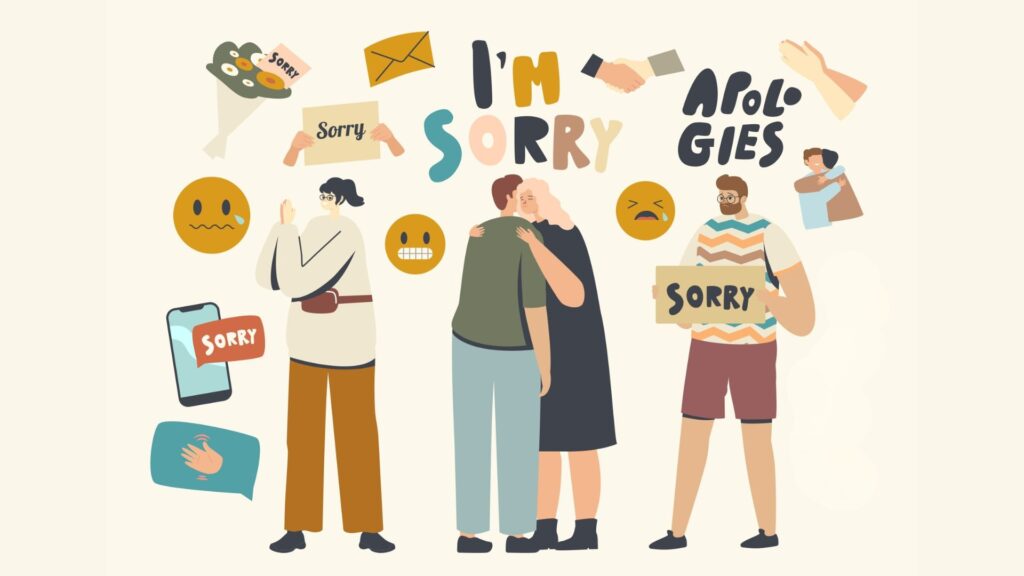
From a very early age, in many cultures, parents and elders try to teach us the importance of treating others well. We also learn to say “sorry” when we have hurt someone, either on purpose or by accident. However, not everyone finds apologies easy. Some people feel that apologizing makes them look weak or inferior.
Even so, most people would agree that when relationships are damaged by careless or thoughtless actions, an apology can be the first step in rebuilding broken trust. In many cases, it is not the mistake itself that causes the most damage, but the failure to acknowledge it.
Apologizing is not Always Easy
If apologies were easy, we would hear them all the time. However, many people find them difficult because they feel they are lowering themselves when they apologize. Pride, fear of judgment, and worry about losing status can all make it harder to say sorry.
Researchers who study human behavior suggest that a sincere apology has three main parts:
・A clear acknowledgment of what was done wrong
・Recognition of the other person’s hurt feelings
・A promise to make things better in the future
When someone makes a sincere apology, they usually hope it will be accepted. However, we cannot force someone to accept an apology. Acceptance also requires a sincere willingness from the person who was hurt to move toward reconciliation, and forgiveness can be difficult when the harm is serious. In other words, even when an apology is genuine, trust can only begin to rebuild if the person who was hurt is also open to understanding the situation in a new way.
This is why some people say that even when they forgive, they may not forget what happened for a long time. Forgiveness does not always mean that trust is immediately restored; it often takes time and consistent change in behavior.
According to Dr. Ronald Siegel, assistant professor of psychology at Harvard Medical School, “To preserve or re-establish connections with other people, you have to let go of concerns about right and wrong and try instead to understand the other person’s experience.” This idea helps explain why apologies are important, because rebuilding trust requires both sides to focus less on who is right and more on how the other person feels.
Apologies, Big and Small
People who are new to Japan are often surprised by how frequently people apologize. When you bump into someone, the person often says “sumimasen” before you even react. At first, this may feel strange, especially if you come from a culture where apologies are used more sparingly.
According to Laurie Inokuma, “Only 10% of ‘sumimasen’ is an apology. Ninety percent is used to show respect, politeness, and honesty.” In this sense, the word is not only about guilt, but also about maintaining harmony in social interactions.
In daily life, people use small apologies when someone helps them, holds a door open, or gives them space. Over time, these small expressions help make social interactions smoother and more respectful. They also reduce tension in situations that might otherwise feel awkward or uncomfortable.
There are also bigger apologies. For example, when a company makes a serious mistake, such as raising prices suddenly or causing public concern, a formal apology is expected. In these cases, leaders may bow deeply and say “moshiwake gozaimasen,” showing strong regret and responsibility.
Such apologies are often carefully prepared because they affect public trust and reputation. Although the mistake may not be forgotten, a sincere apology can begin to rebuild trust slowly. Over time, people may start to feel more comfortable again, especially if actions change as well as words.
Where Do You Stand on Apologies?
Apologies, whether small or large, play an important role in human relationships. They help reduce conflict, show respect, and create the possibility of rebuilding trust. They also remind us that relationships are often more important than being right.
How comfortable are you with apologizing? And do you see the connection between an apology and the rebuilding of trust?
Written by Everett Ofori