
Dealing with Meeting Spoilers : Three Common Types and How to Handle Them
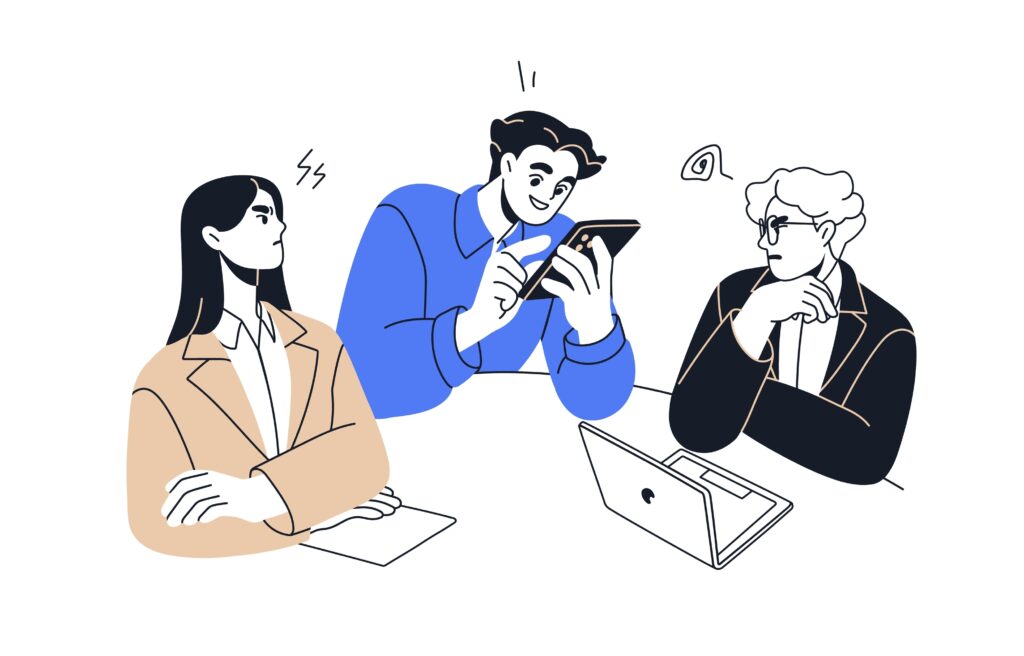
Leading Better Meetings
As you move forward in your career, you will often be asked to lead meetings. At first, this can feel challenging, especially when working with experienced colleagues who may seem more confident or senior. However, facilitation is an important leadership skill. As Velasquez (2023) explains, meetings are essential for achieving goals, but they are often unproductive when not managed well. In fact, according to Jolles and Lordan (2024), poor meetings cost businesses millions each year.
In this article, we look at three common behaviours that can undermine meetings: the silent type, the dominant type, and side chatter. Understanding these helps you manage discussions more effectively and keep meetings balanced and productive.
The Silent Type
The silent type is a person who has ideas but rarely speaks in meetings. They prefer to listen, take notes, and think before speaking. Even when they have useful ideas, they may stay quiet unless invited. As a facilitator, you can support them by gently asking for their opinion. It also helps to tell them before the meeting that you may invite their input. This gives them time to prepare and feel more confident.
In many Japanese workplaces, this style is common because people often avoid interrupting others and prefer careful thinking. However, facilitators should still ensure that all voices are heard so that good ideas are not missed.
The Dominant Type
The dominant type is someone who speaks often and for long periods in meetings. They may have strong ideas and confidence, which can be helpful. However, they may sometimes talk too much or move away from the topic. This can reduce space for others to participate.
As a facilitator, you should manage this politely. You can thank them for their input and then invite others to share their views. If needed, you can gently bring the discussion back to the agenda. In some Japanese meetings, senior staff may naturally speak more than junior staff, so facilitators need to ensure balanced participation.
The Side Chatter
The side chatter refers to people who talk quietly during meetings instead of focusing on the discussion. Even soft conversations can distract others and reduce attention in the room. This weakens the overall effectiveness of the meeting.
The facilitator should respond quickly but politely. You can remind everyone that time is limited and ask them to focus. You may also invite them to share their point with the group if it is relevant. In Japanese workplaces, quiet and orderly meetings are usually expected, so side conversations are generally discouraged. Still, the facilitator should remain calm and respectful.
In Practice: Running a Smooth Meeting
Before the meeting, prepare a clear agenda and share it with all participants. This helps everyone understand the purpose and stay on track. During the meeting, guide the discussion step by step. Encourage quieter participants to speak, manage dominant speakers respectfully, and gently stop side conversations when they appear. The goal is not to control people strictly, but to keep the meeting balanced and productive.
After the meeting, reflect on what went well and what could be improved. Small adjustments over time can make meetings more effective. Becoming a strong facilitator is about handling different personalities calmly and respectfully. Whether in international companies or Japanese workplaces, these skills improve communication and teamwork. Meetings may not always feel exciting, but they are important for achieving goals when run well, as Velasquez (2023) also reminds us.
Written by Everett Ofori