
The Complicated Compliment
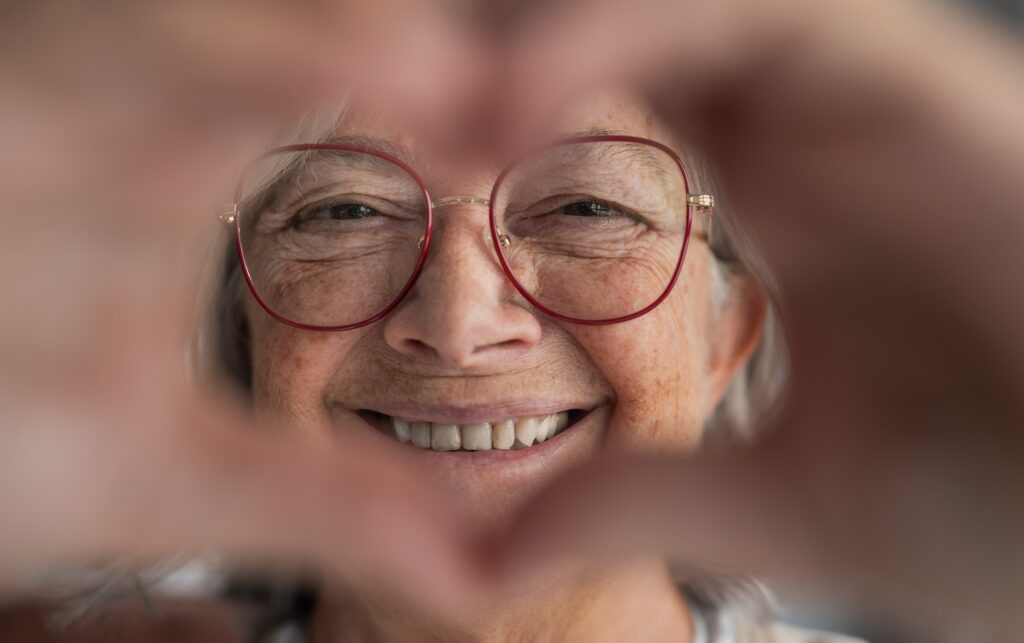
There is a particular kind of insult hidden inside the beauty aisle. It is wrapped in soft colors, clean fonts, and words like rejuvenating, firming, age-defying, and anti-aging. Store shelves are overflowing with products that promise to help us look younger. Botox and lip fillers have become more accessible, not only as procedures, but also as social norms. And this pressure is not reserved for women. Men are sold their own version of the same fear: hair loss, sagging bellies, lower energy, fading strength.
Nobody is completely immune to this quiet message we are constantly interacting with: younger is better. So naturally, I developed a resistance to it. I became suspicious of the idea that a person’s value could be measured by the number of trips they have taken around the sun. I started questioning even the compliments that were meant to be kind.
If I had a nickel for every time someone told me I look younger than I actually am, I would have become a billionaire by now. I know people usually mean it as a compliment. Still, I am always hesitant to say thank you. Because wouldn’t that mean I subscribe to ageism, too? Wouldn’t it mean that some part of me also believes younger is better?
Then one day, I shared this thought with a friend. He had said, “You look at least ten years younger than you are. So youthful.” And I said, “Well, I don’t know if that’s a good thing. Younger doesn’t necessarily mean better.” To that, he replied with a tone as light as a feather: “Why? Youth is beautiful.”
What a simple truth. Youth is beautiful. Not because it is superior. Not because it is the only kind of beauty. But because youth carries its own light: possibility, hope, energy, carefreeness, and a certain brightness before life has taught you to hold your breath. All of these things are indeed beautiful.
And I realized, again, that two things can be true at the same time. Just because one thing is beautiful does not mean it dims the beauty of something else. The experience, wisdom, layers, complexity, and insight that come with aging are also beautiful. The softness that comes from surviving. The confidence that comes from knowing yourself. The humor that comes from making the same mistake three times and finally learning, “Ah, yes. There it is.”
That is beautiful, too.
So when someone tells me I look younger, and I catch myself feeling appreciation, that does not make me a bad person with a toxic value system. It simply means I have been young before. And, depending on whom you ask, I still am.
Maybe what they are pointing to is not my age at all, but a quality: lightness, energy, aliveness, the kind of brightness we associate with youth. Maybe I can receive that without betraying the beauty of aging.
Maybe I can simply say thank you. Not because younger is better, but because youth is beautiful. And so is growing older.
Written by SAKURACO