
When Human Ingenuity Leaves No Room For Nature
Human ingenuity has given us some of the world’s most impressive buildings and structures. Around the world, we see skyscrapers reaching into the sky, bridges crossing deep valleys, and homes built near rivers, forests, and cliffs. These achievements show how much people can create when they use knowledge, technology, and hard work. However, recent floods and fires have raised an important question: have we become so confident in our ability to control nature that we sometimes forget to give nature enough space to act naturally?
Rivers and the Sea
People often build their homes near rivers or the sea because they enjoy the beautiful views and easy access to water. But as towns and cities grow, people may change the natural path of the water. They straighten rivers, fill wetlands, and build walls and other barriers to protect homes and roads. These changes may seem useful, but they can also create problems when large amounts of water arrive.
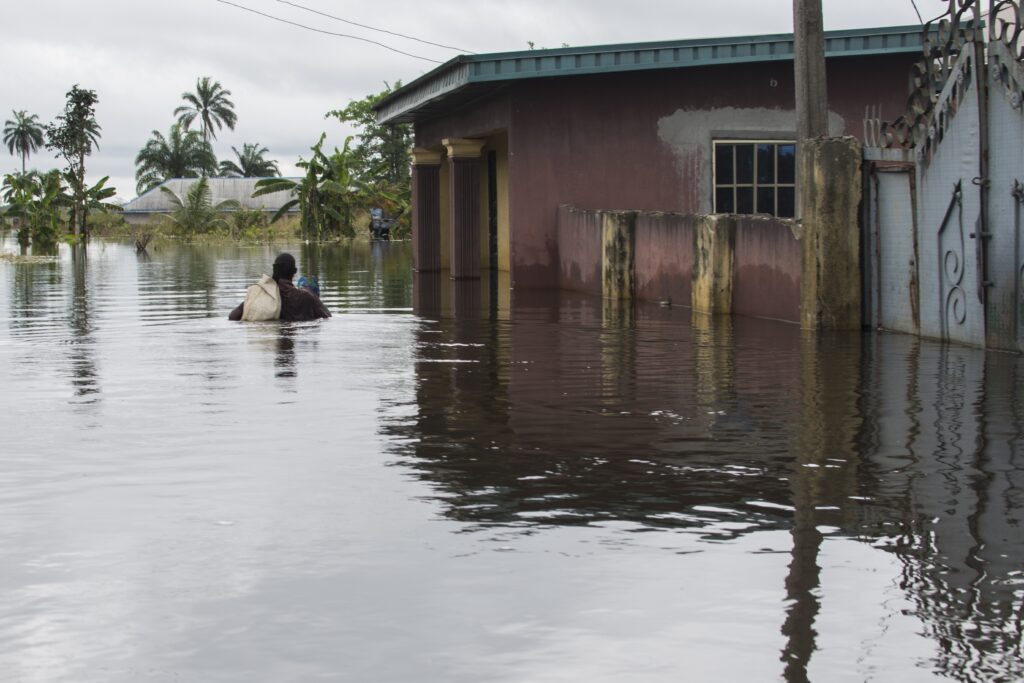
In 2026, a major African city faced serious flooding after many years of building in and around lagoons and wetlands. Areas that once held water had been changed into places for people to live and work. When heavy rains came, the water had fewer places to go. Rivers and other waterways rose, and in some areas, floodwater entered homes.
After the water went down, leaders and ordinary people wanted to clear blocked waterways and make better paths for the water. These actions may help prevent similar problems in the future. But they also raise an important question: why did it take a disaster for people to recognize a problem that now seems so clear? Better planning and a better understanding of nature might have prevented some of the damage.
Fire and Fury
Forests and wooded areas have always attracted people. For those who can afford it, living close to nature can seem like a dream. They may enjoy large gardens, weekend barbecues, cycling through the trees, and seeing wildlife nearby.
But building homes deeper into forests also brings risks. When trees are removed to make space for houses, roads, and other buildings, people move closer to areas where wildfires can begin and spread. A place that looks peaceful and beautiful can become dangerous when a fire starts.
Wildfires can move quickly, especially when the weather is hot, dry, and windy. They can destroy homes, forests, and other property in a short time. People may think they have found the perfect place to live, but nature can remind them that the land has its own risks.
Nature Has No Empathy
The average person has little power over large building projects or city planning. We depend on governments, engineers, and other experts to make good decisions. Still, when a disaster happens, we all feel the loss when other people lose their homes, their businesses, or even their lives.
Nature may be beautiful, but it does not make decisions based on human feelings. When a river rises or a fire spreads, it does not stop to consider who is in its path. Nature is not being cruel; it is simply following natural forces.
Because people are the ones who must live with the results, we need to understand those forces and respect them. We cannot control everything in nature. A landslide, tsunami, earthquake, flood, or wildfire can change people’s lives in a very short time. Human intelligence allows us to build amazing things, but perhaps our greatest wisdom is knowing when to leave enough room for nature.
written by Everett Ofori