
Robots and Care for the Elderly
Robots and Care for the Elderly
Japan is becoming an aging society. This means that more and more people are elderly, and many of them need help in their daily lives. Some elderly people live alone, while others live with their families, but still need support. As a result, Japan faces a big challenge: who will take care of these people in the future? This problem is becoming more serious each year. The nursing care industry in Japan is currently shaped by the following two major trends. One is to bring caregivers from other countries. The other is to use robots to support care.
Caregivers from Other Countries
In recent years, the Japanese government has made agreements with countries in Southeast Asia, such as Indonesia and the Philippines. These agreements allow nurses and doctors from these countries to come to Japan and work as caregivers after some training. They learn how the Japanese care system works and how to support elderly people safely.
Many people are interested in this opportunity because they can earn more money in Japan than in their home countries. They can also gain new skills and experience. However, there are also some difficulties. One of the biggest challenges is the Japanese language. Care workers must understand not only spoken Japanese but also kanji, which can be very difficult to learn.
In addition, they must pass difficult tests to become certified caregivers. These tests check their knowledge and skills. Preparing for them takes time and effort. Some people feel stress because of this, especially when they are far from home.
Even so, many people continue to try. There is a strong demand for caregivers in Japan. According to the Ministry of Health, Labour and Welfare, there are far more job openings than applicants in this field. This shows that Japan still needs more workers to support its elderly population, and foreign caregivers are becoming an important part of the system as a result.
The Power of Robots
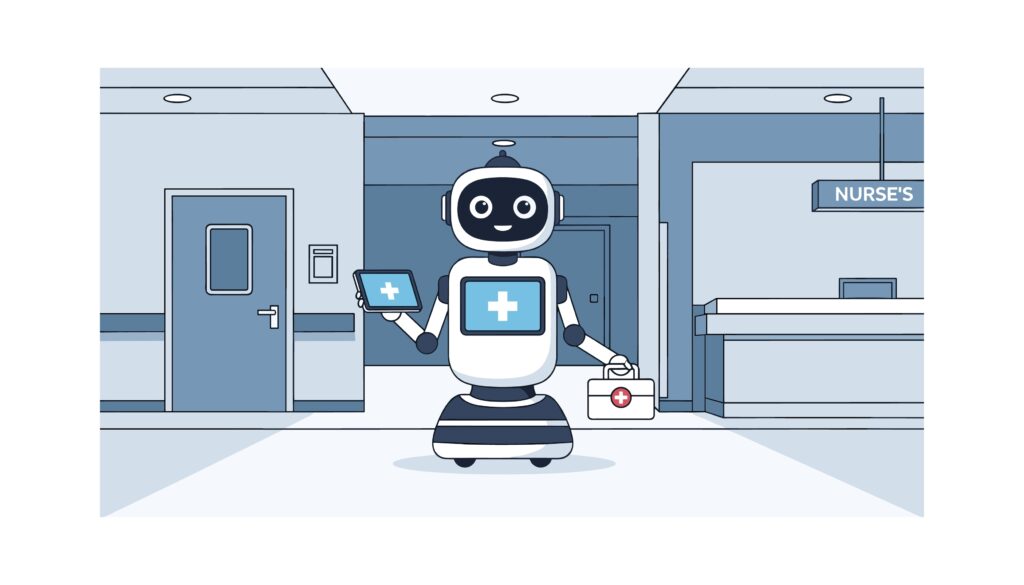
Japan is also famous for its advanced robots. Today, many robots are being developed to help care for the elderly. These robots are designed to support both patients and caregivers in different ways.
Some robots are designed to talk with people. They have cameras, microphones, and speakers, so they can have simple conversations. For example, they can greet people, ask simple questions, or remind them to take medicine. These robots can help elderly people feel less lonely, especially if they live alone.
Other robots help with physical care. For example, some machines can lift a person from a bed to a wheelchair. This reduces the physical burden on caregivers and helps prevent injuries. There are also wearable robots that help people stand up or walk. These devices are especially useful for people who have weak legs or difficulty moving.
Thanks to these technologies, caregiving can become safer and easier for both patients and workers. In some places, robots are already being used in nursing homes and hospitals.
Working Together: Humans and Technology
It is amazing that technology can help solve problems in society. Robots are improving quickly, not only in Japan but also around the world. In the future, they may play an even bigger role in caregiving and daily life.
However, robots cannot do everything. Elderly people also need human care and kindness. A warm voice, a smile, or simple conversation can make a big difference in someone’s life. Emotional support is something that robots still cannot fully provide.
For this reason, both human caregivers and robots are important. They should work together to provide the best care possible. By combining human support with modern technology, Japan can better meet the needs of its aging society and create a more caring future.
Written by Everett Ofori