
The World Trade Organization, Japan, and You
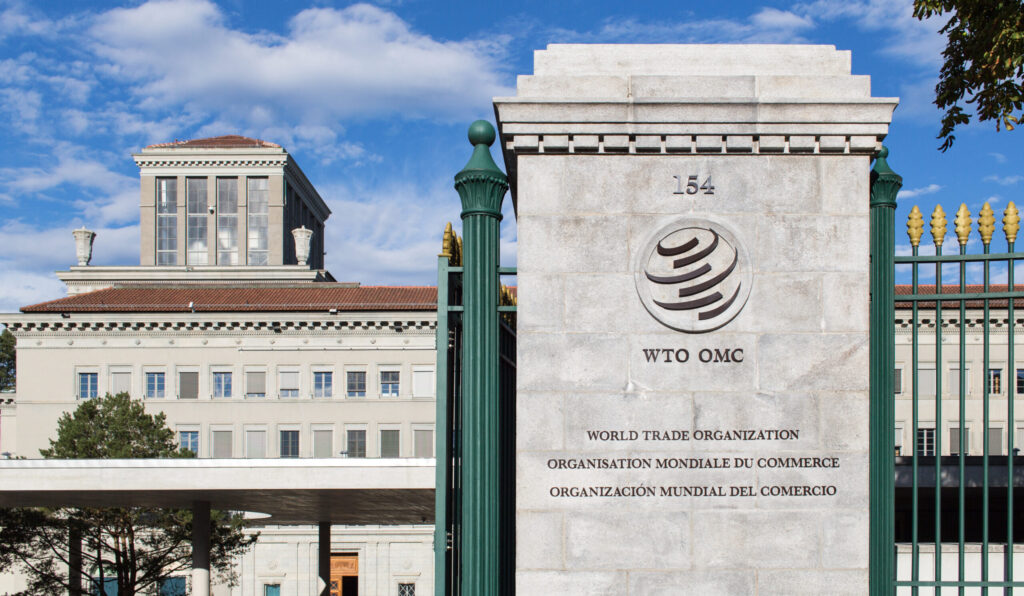
Every day, you work hard, spend time with family and friends, buy things you need, and enjoy entertainment online or in your community. You may not realize it, but an international organization called the World Trade Organization (WTO) has an influence on many parts of your life.
Japan is one of the 166 members of the WTO. The main goal of the WTO is to create fair rules for international trade. It tries to make sure that countries can trade with each other smoothly and peacefully. Let’s look at three important points about the WTO and how it connects to Japan and you.
Fair Trade Between Countries
The WTO creates rules that guide international trade. Without common rules, every country might try to protect only its own interests. This could create confusion and conflict. In the past, especially during the 1940s, countries often used high taxes on imported goods to protect their own businesses. This made international trade more difficult.
Today, the WTO encourages countries to trade more openly. One important goal is to reduce tariffs, which are taxes on products coming from other countries. The WTO also encourages countries to share information about their trade rules so businesses can understand them.
The WTO also promotes equal treatment. For example, if Japan imports wine from another country, Japan cannot unfairly add extra taxes just because the wine is foreign. If the imported wine is similar to Japanese wine, it should be treated in a similar way. Other countries follow the same principle when Japanese products enter their markets.
Why Japan Is a Member
Japan depends greatly on international trade. Many Japanese companies sell their products around the world. Japanese car companies, electronics companies, and other businesses need stable trade rules to succeed.
Japanese farmers also benefit from international trade because some agricultural products are sold overseas. At the same time, Japanese consumers can buy products from other countries, such as food, clothing, and technology.
For businesses, predictable rules are very important. A company cannot plan for the future if trade rules change suddenly every year. Membership in the WTO helps Japan create stronger economic relationships with other countries.
The WTO Has Critics
Although the WTO has many supporters, it also has critics. Some member countries, including the United States and India, have strongly opposed certain WTO rules and proposals, while groups in many countries have organized protests against WTO policies.
Some critics argue that the WTO makes it harder for small local businesses to compete because foreign products can enter their markets more easily. Others say that the WTO mainly helps large international companies and does not do enough to protect workers or the environment.
The WTO responds that its rules are created by member countries and that trade can help improve people’s lives. Supporters argue that open trade gives consumers more choices and can create economic opportunities.
The WTO and You
You may not think about the WTO when you drink coffee, eat food, buy clothes, or use a smartphone. However, international trade affects the products you buy and the prices you pay.
Your morning coffee may come from Brazil. The bananas in your dessert may come from the Philippines. Your smartphone may contain parts made in several different countries. International trade helps make these products available and affordable.
The WTO is not perfect, and there are different opinions about its role in the world. As a citizen of a country that belongs to the WTO, you can learn more about it and decide for yourself: Is the WTO a force for good, or does it create more problems than solutions?
Written by Everett Ofori