
Whisper of the Heart
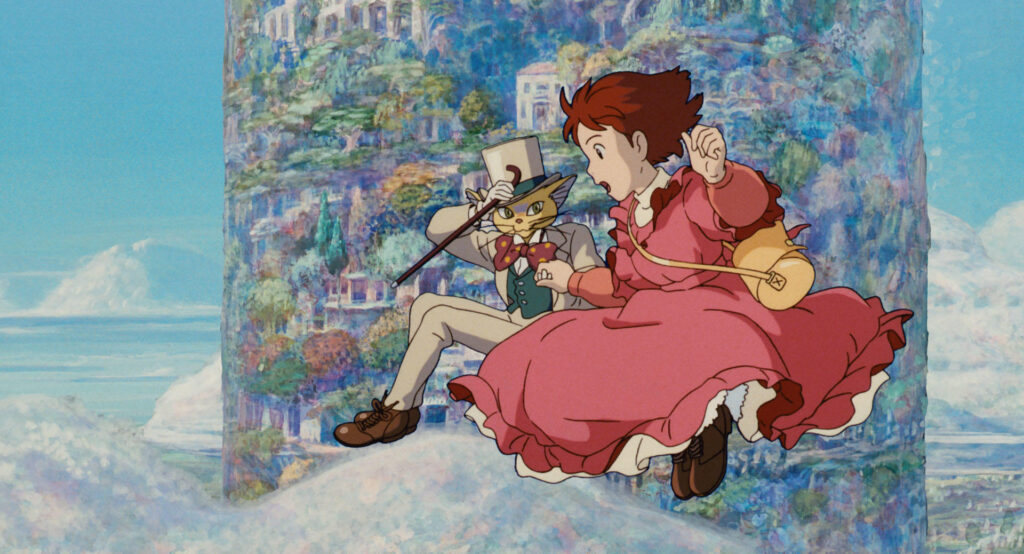
Karaoke is one of the many words that left Japan, crossed the ocean, and somehow gained citizenship in Western culture. As a passionate shower singer, I love that it can work like a magic key to instant connection with people from different backgrounds.
That was exactly what happened when I was talking with a stranger the other day. As we exchanged our love of music, he asked what my go-to karaoke song was. I replied, “Take Me Home, Country Roads” by John Denver, a classic country song about longing for the familiar comfort of home.
There is something about this song that reminds me of leaving home with a chest full of hope, fueled by ambition and pride. We charge forward as if we have something to prove to ourselves, using every molecule in our bodies to resist looking back as we say farewell, because it feels as though the simple act of turning our heads might crumble our determination.
Living thousands of miles away from home, this song can be lethal at times.
The irony is not lost on me: a Japanese woman who grew up in a small coastal town, getting emotionally wrecked by a classic country song about West Virginia. And the funniest part is that I did not first encounter this very American song in America. I learned it in Japan, through the beloved Studio Ghibli film Mimi wo Sumaseba.
Unlike karaoke, however, that title did not cross the Pacific unchanged. In the United States, the story of a girl standing at the edge of adulthood, slowly discovering a piece of herself, is called Whisper of the Heart.
Mimi wo sumaseba roughly means, “If you listen carefully…” The sentence almost feels unfinished. If you listen carefully, then what?
The English title answers.
Whisper of the Heart.
If you listen carefully, you will hear the whisper of the heart.
It is as if these two titles finish each other’s sentences, like two lovers meant to be together.
THIS is why I cannot sober up from my addiction to language and thought.
Language is a doorway into how we view the world. Here, one language expresses one half of an idea, while the other captures what was left unsaid. Both reach toward the same feeling, just carrying it in different containers.
How hauntingly beautiful is that? Two cultures reached for the same feeling and grabbed different ends of it. One tells us to listen; the other tells us what we might hear.
It is easy to get lost in translation. Intentions can get buried in the complexity of semantics, grammar, cultural assumptions, and the words we choose to use. But perhaps translation does not only make us lose things.
Sometimes, something is found in translation.
Sometimes, another language shows us something that was there all along, just outside our view.
And maybe, when intentions get buried beneath words, what we need is already hidden inside these two titles: listen carefully to what the heart is whispering beneath the words.
Written by SAKURACO