
Neuroaesthetics 101: How Beauty Affects the Brain and Why It Matters
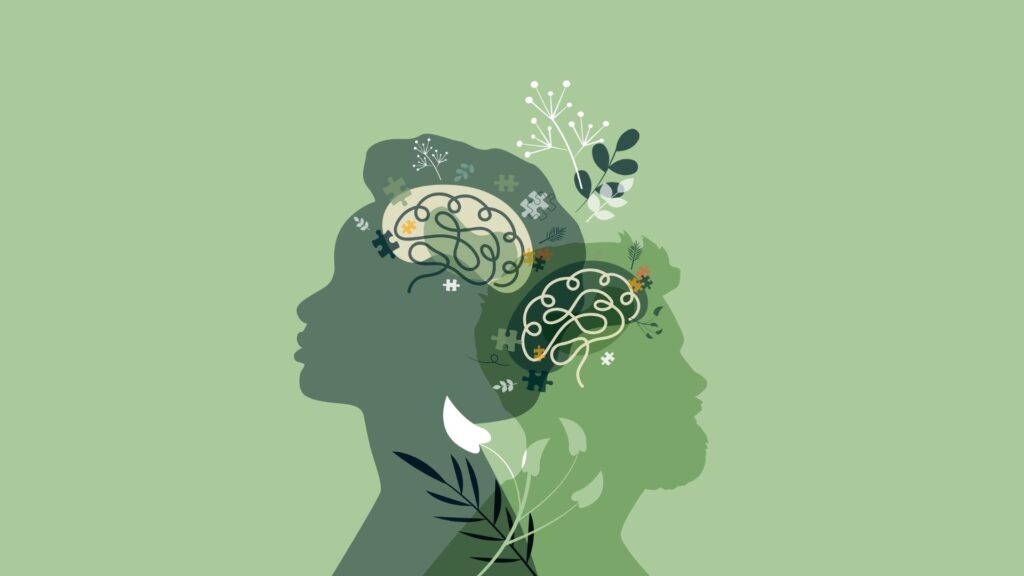
Some sights feel instantly calming: a sunrise over the beach, a clean desk, a painting with balanced lines and colors. That reaction is not only personal taste; it is your brain at work. Neuroaesthetics studies how beauty, art, and design shape emotion, attention, and recovery from stress, which translates “what feels lovely” into “what measurably helps.”
What beauty does in the brain
When we see something beautiful, brain areas for reward and emotion become more active. Researchers also see activity in frontal regions that judge value and meaning. In simple terms, beauty helps the brain decide what matters now and where to put attention. None of this requires special training; our perception is already tuned to harmony, balance, and contrast. In daily life, that tuning can support steadier focus and a gentler stress response.
A three-step, brain-friendly beauty break
1. Look up for 90 seconds.
Between tasks, lift your eyes from the screen and rest them on a calm scene: a plant, a window view, or a photo with soft shapes. Ninety seconds is short enough to use and long enough to reset. If it helps, pair the pause with a reliable cue (send the email, then look up).
2. Return to an anchor object.
Keep one object that truly resonates, such as a small print, a stone, or a leaf, within easy view. When attention slips, bring your eyes to it. Repetition builds a simple link: anchor equals settle. Choose gentle textures and contours, and avoid anything that competes with on-screen text.
3. Label the shift in three words.
After the pause, name your state in three words (for example: tight, softer, ready). Quick labeling helps you notice the change and choose the next step with intention. Writing the words in a margin or on a sticky note turns the moment into a repeatable micro-practice.
Why it works and how to make it yours
Aesthetic moments engage the brain’s valuation system, the network that judges meaning and importance. Exposure to natural elements can also reduce stress signals from the amygdala. Together, these effects gently tell your brain, “this is safe and relevant,” while lowering the sense of threat. Over time, small and repeatable cues are easier to keep than big lifestyle changes. Attach the break to things you already do, such as closing a tab, refilling your water, or sending a message, so it appears when your attention is most fragile.
Start with one scene and one object. Rotate photos with the seasons, or swap a leaf for a smooth pebble if your lighting changes. If you work in a windowless space, try a softly lit image on a second screen or a printed photo near eye level. The key is gentle contrast and uncluttered shapes. Keep it brief and consistent: daily, not dramatic.
Bottom line
It turns out that appreciating beauty is not a luxury, nor does it require weekly museum trips or being art savvy. All you need are a few well-chosen items or views that speak to you to both invite beauty into your everyday life and support cognitive hygiene and steadier focus.
Written by SAKURACO