
What Is Greenwashing?
How Companies Pretend to Be Environmentally Friendly
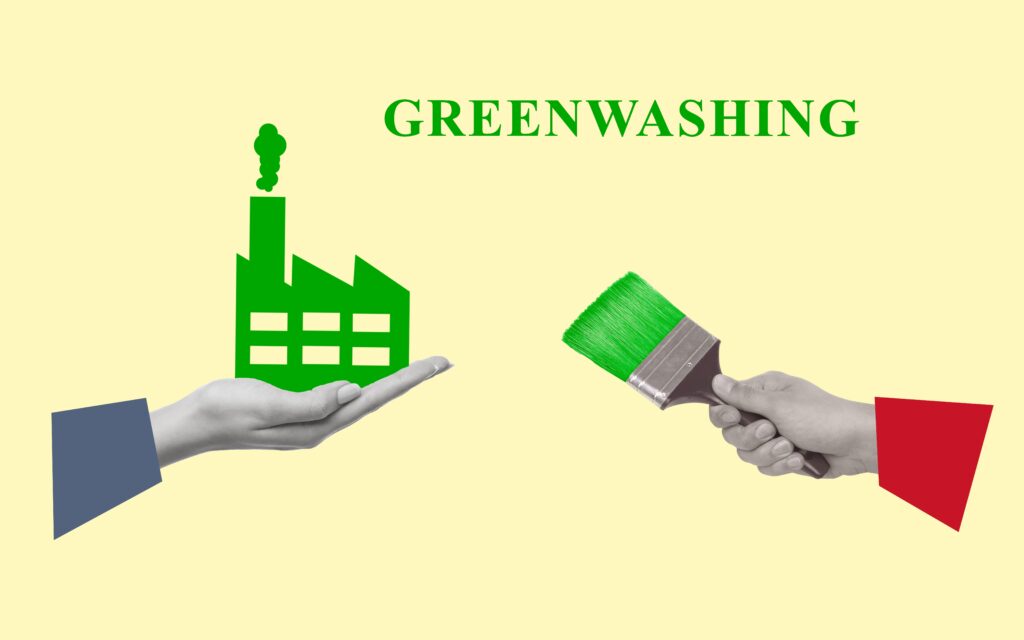
Today, the world changes very quickly. To keep up, people need to understand not only what happens around them but also the new words and terms that appear in daily life. One word that has become common is greenwashing.
Greenwashing is when companies pretend to help the environment. “Green” means something that is good for nature, like planting trees or using less fossil fuel. Many people want to buy products that are eco-friendly. Some products even have special signs to show they help the environment. But not all companies really care about the planet. Some try to look good without making real changes. They may tell lies or make small changes look bigger than they are. This is called greenwashing.
Sometimes, companies may start with good intentions. But as Proszowska et al. (2025) explain, each had to adapt to the changes and expectations in the market in order to stay profitable. Therefore, greenwashing can appear when companies are not able to meet the requirements of their stakeholders, including institutions, government agencies, or customers. The companies may not see themselves as bad, but tricking customers is hard to forgive.
How Greenwashing Works
The United Nations gives examples of how companies may greenwash. Here are four common ways:
・False promises
A company may say it will reduce pollution or protect water, but it has no real plan. For example, a factory may advertise that it is cutting harmful chemicals in its waste, but it continues to release the same pollutants into rivers for years. This kind of promise can make people believe the company is helping the environment, even when nothing actually changes.
・Vague words
Some companies use unclear words like “natural” or “sustainable” without explaining what they mean. Clearer words would be, for example, “made from 50% recycled materials” or “reduces carbon emissions by 20%.”
・Misleading labels
Words like “eco-friendly” or “green” can be meaningless because there are no rules for using them. For example, a plastic bottle might say “green” even if it is not recycled or does not reduce pollution.
・Exaggerating small improvements
A company might say it has reduced the plastic in its packaging by 5%, but present this as a major achievement. The change is very small and does not make a big difference for the environment.
These tricks make it difficult for customers to know which products really help the planet.
Where the Word “Greenwashing” Comes From
The word “greenwashing” came into use in the 1980s. It comes from two words: green, meaning good for the environment, and whitewashing, which is about making something bad look good. Environmentalist Jay Westerveld first used it to describe hotels that said they were eco-friendly but were not really helping the environment.
Now, other “washing” words exist. For example, sportswashing is when a country or group hosts sports events to improve their image. Some countries with poor human rights do this to make people forget their bad actions.
What You Can Do
Big companies may feel too powerful for the average person to confront. But careful customers can make a difference. Look for products from companies that really care about the environment. Check if labels are clear and honest. Support brands that take real action, not just make promises. Every small choice helps protect the Earth. And the Earth is just as much yours as that of the big companies that seem to rule the world.
Written by Everett Ofori