
Norway’s Humanitarian Approach to Prisons
Underlying Principles
Most people’s image of prison is of cold concrete cells and a system built on deprivation and punishment, but in Norway the reality is different. Norway’s prison system is internationally recognised for its innovative approach, which focuses on rehabilitation and a commitment to reintegration.
The foundation of this system is the principle of “the deprivation of liberty and nothing else”, meaning that the only punishment is separation from society, while all other rights should remain intact.
This means that prisoners retain their rights to vote, access health care and education, and have family visits. This is all part of a careful design to ensure that even those sentenced with serious offences are still treated like people with the eventual goal of preparing them to live productive and crime free lives upon release.
Everyday Life in Norwegian Prisons
The Norwegian system emphasizes short sentences with the typical stay being only eight months and 60% of sentences being under three months. There are no life sentences or death penalties with the maximum possible sentence being 21 years, except for certain crimes such as genocide which results in up to 30 years. Instead of life imprisonment, courts can add up to 5 years incrementally at the end of a sentence if they deem the prisoner to still be a danger to society.
Even the maximum security prisons aim to embody the “principles of normality”, allowing prisoners to participate in education, work and family life. Norway’s low population means that the system is designed to keep prisons small with fewer than 70 inmates on average. Instead of living in wings and landings, prisoners live in small pod communities that combat the traditional subculture of criminals in prison that dominates regular prisons. Their cells have televisions, computers, showers and sanitation.
Outcomes and International Impact
This humane and rehabilitative approach has led to substantial results. The country boasts one of the lowest reoffending rates in the world at approximately 20% after two years and 25% after 5 years. Compared to the rate in the US of 66% after two years and 71% after five years it is clear that the system is working.
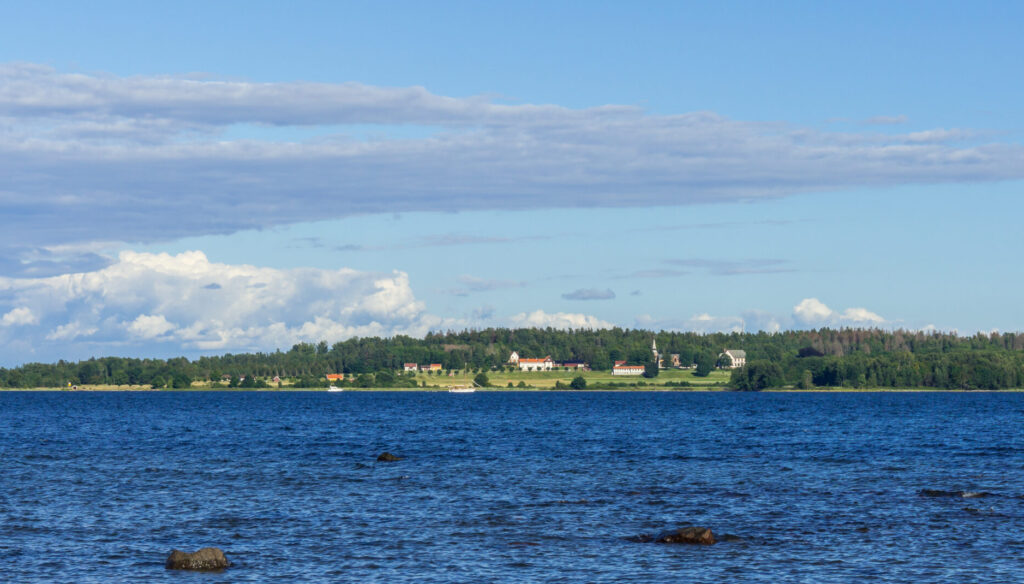
The most emblematic example of the system is Bastoy Prison. The prison is located on an island and is a low security facility with no perimeter walls that functions as a village where inmates can work, go to school and enjoy recreational opportunities. Prisoners in Norway can apply to transfer to the island when they have up to five years left on their sentence. Every type of offender may be accepted as long as they have a determination to live a crime free life upon release. They prepare and even grow their own food and get paid around 10$ a day. The idea is to get prisoners used to living life as they will when they are released. The success of the Norwegian system has become a model to other nations seeking effective alternatives to traditional punishment. However some critics say that the conditions are too comfortable and the role of retribution in punishment systems is being overlooked.
Written by Sean Furniss