
Japan Fails To Recognize Same-Sex Marriage
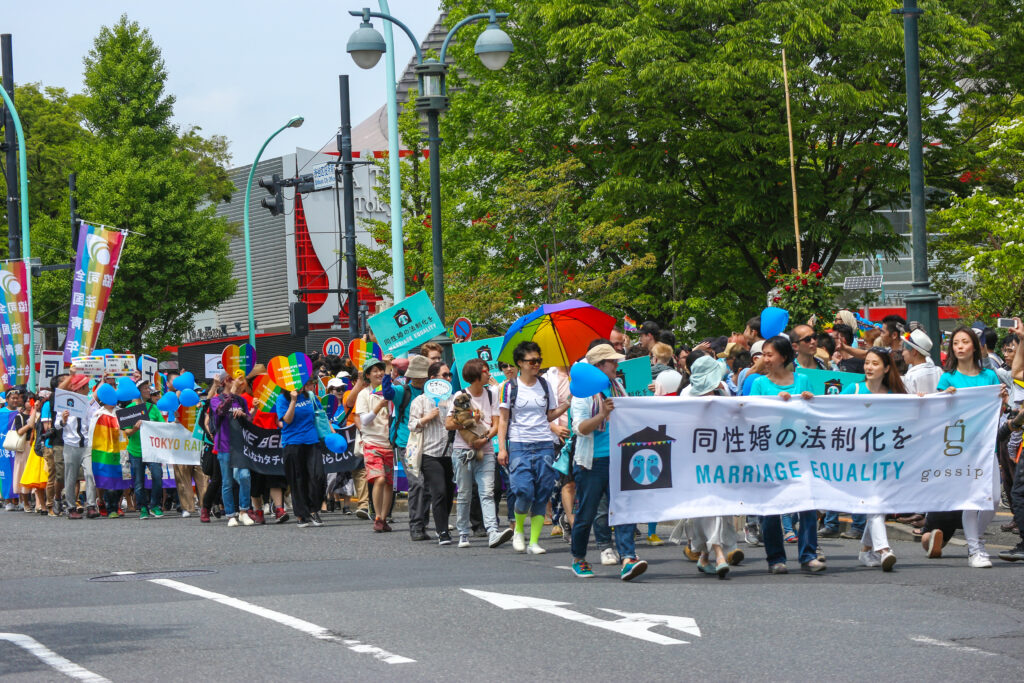
A Step Backwards On Same-Sex Marriage in Japan
After many historic wins for same-sex couples over the course of 6 years in Japan, the Tokyo High Court ruled the ban on same-sex marriage as constitutional, marking a devastating conclusion to the last of the six lawsuits filed. Amnesty International called the ruling a “damaging step backwards on same-sex marriage”. The organization’s East Asian Researcher Boram Jang stated that this decision of the courts should “serve as a warning of the reluctance to acknowledge the concept of same-sex marriage and the reality of same-sex couples living in Japan.” He added that “there need to be solid, legal measures in place to protect same-sex couples and the LGBTI community in Japan from all forms of discrimination.”
According to AP News, Ayumi Higashi, the judge presiding over the case, stated that “a legal definition of a family as a unit between a couple and their children is rational and that exclusion of same-sex marriage is valid.” However, Amnesty International and other human rights organizations consider marriage equality a human rights issue, stating that “there is no objective justification for denying access to civil marriage to same sex couples.” Amnesty International further goes on to say, “Denial of an equal right to civil marriage also stigmatises those lesbian and gay relationships in ways that can fuel other prejudice and discrimination against people based on their sexual orientation or gender identity.”
Shino Kawachi, one of the plaintiffs of the trial, spoke to local media and said, “What is justice? Was the court even watching us? Were they considering the next generation?”
Background of the High Court Cases
In early 2019, same-sex couples demanding marriage equality filed lawsuits in four district courts: Sapporo, Tokyo, Osaka, and Nagoya. This was followed by a lawsuit in Fukuoka and another lawsuit in Tokyo in 2021, bringing the total to 6 lawsuits with 36 plaintiffs. They all argued that the ban on same-sex marriage violated the Constitution of Japan and demanded monetary compensation for damages. Following the decisions of the district courts, with only the Osaka District Court stating that the current ban is constitutional, five other high court rulings were made starting in March 2024.
The Sapporo High Court ruled that the current ban on same-sex marriage is a violation of the constitution. In October, the Tokyo High Court followed with a similar ruling. The two historic and groundbreaking wins set a precedent for future judgments. In December, the Fukuoka High Court stated that “marriage is an important fundamental human activity” and that “such a right is equally enjoyed by both male and female and same-sex couples”, and that the current law’s refusal to recognize same-sex marriage violates the constitution. The Nagoya High Court ruling in March 2025 was particularly significant as it stated that “the inability of same-sex couples to use the legal marriage system would cause serious problems for the life, body, and welfare of not only the partners but also the children they raise, and that using a system separate from the marriage system itself poses the risk of violating privacy, such as requiring people to disclose their sexual orientation against their will.” In the same month, the Osaka High Court issued a similar judgment.
These historic wins across Japan had given hope for a positive ruling in the last remaining second high court case in Tokyo. Unfortunately, the results were not as hoped, and the cases will be issued a judgment by the Supreme Court sometime next year.
Rights of Same-Sex Couples in Japan
Japan remains the only G7 country that does not recognize same-sex marriage, denying same-sex couples the equal right to marriage, and according to AP News, Prime Minister Sanae Takaichi’s conservative Liberal Democratic Party maintains a staunch stance against same-sex marriage. However, there is a partnership oath system in place that grants limited access to public services for same-sex couples. This system was first introduced and adopted in Tokyo’s Shibuya ward in 2015, and now 33 out of 47 prefectures have the partnership system in 100% of their municipalities.
The partnership system grants couples a document that certifies “that an oath and notification of a partnership has been made by two individuals, either or both of whom are sexual minorities.” By using this system, couples can move into public housing as a family, they can become recipients of their partner’s life insurance, and oftentimes, hospitals consider partners as family and will allow visitation. Partners can also request disclosure of the personal information of a deceased partner, among other things.
This system is a step in the right direction, but is far from the rights that are offered to heterosexual couples. As Amnesty International stated, continuing not to recognize same-sex marriage further stigmatizes LGBTQ+ people and feeds discrimination against them.
Written by まりか