
Why We Choose Brands – Or Not!
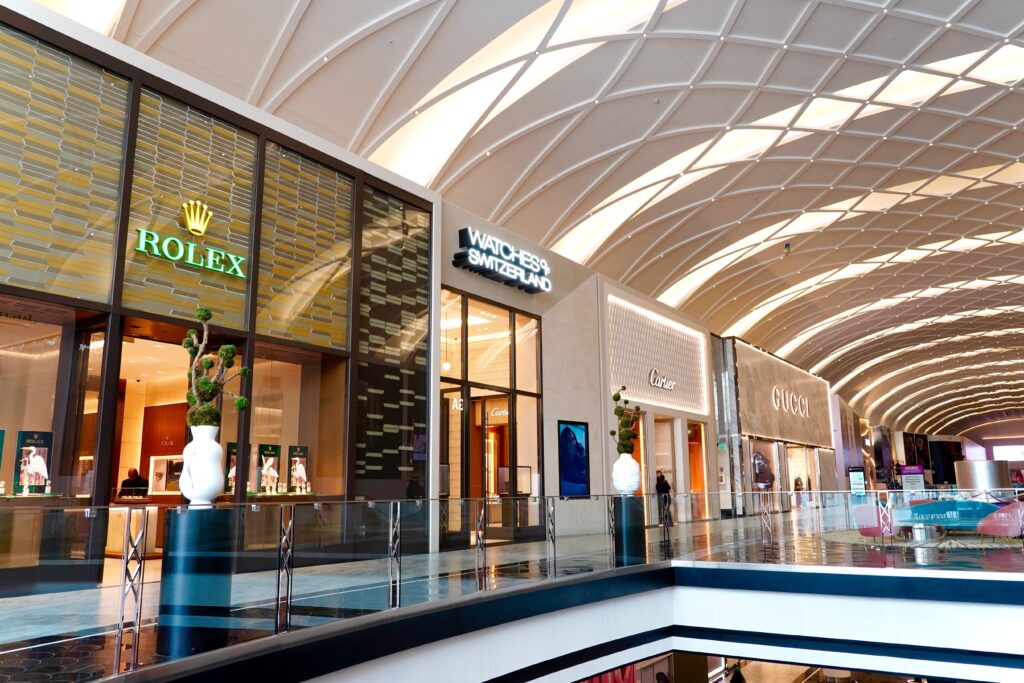
Every day, people make choices about what they buy. One of the biggest choices is whether to buy a brand-name product or not. For some people, brands are very important. For others, brands mean nothing at all. So why do brands matter to some people, and why do others avoid them?
Brands as a Shortcut for Quality
Many people choose brands because they believe brands stand for quality. A well-known brand can feel like a promise. When you buy a branded phone, shoe, or bag, you may believe it will last longer or work better than a cheaper one.
For example, someone may buy a Samsung or Apple phone because family, friends, or acquaintances assure them that the phone is reliable. In this case, the brand has earned its good reputation. The buyer is not only paying for the name but for trust built over time. Brands can save people time and worry because they do not have to compare many products.
Brands and Personal Experience
Some people stay loyal to brands because of personal experience. If a brand has served them well before, they feel comfortable buying it again. This is common with items like shoes, laptops, or household appliances.
For these buyers, the brand is not a trick. It is a sign of consistency. They believe the higher price is fair because the product performs well and lasts longer.
Brands as Trickery and Exploitation
However, not everyone sees brands in a positive way. Some people believe famous brands are a form of trickery. They argue that many global brands use low-paid labor in sweatshops while charging consumers very high prices.
To these people, brands are about image, not value. The cost of making the product is often much lower than the selling price. For them, buying branded goods supports unfair systems and encourages wasteful spending.
Brand Obsession’ The Japanese Example
Japan is one of the world’s strongest markets for luxury brands such as Louis Vuitton. In some cases, people have been known to wait all night for brand-name shops to open. This shows how powerful brands can be.
In fact, the desire to look branded can be so strong that some people carry cheap knock-offs just to give the appearance of owning luxury goods. This shows that for many, brands are not only about quality but also about status and identity.
Brands in Ghana’ Practical and Symbolic
In Ghana, where this writer is currently traveling, the desire for brand-name goods, especially phones and electronics, is both practical and symbolic. Brand-name items are easier to repair because spare parts are widely available. In this case, choosing a brand makes practical sense.
Interestingly, in Accra, global fast-food chains like KFC and Burger King serve another purpose:they are among the safest places to escape the heat. Although these restaurants are known worldwide for their food, in Ghana people visit them more for the safe, quiet environment than for the taste.
At the same time, the food is expensive, and Ghana offers many delicious local dishes such as fufu (a starchy, dough-like dish made from cassava or yam), waakye (rice and beans cooked together, a popular street food), and kokonte (starchy dried cassava often eaten with soup or stew) at affordable prices.
This shows that the way people use and value global brands can change depending on local needs and conditions.
What About You?
So how much do you gravitate towards brand-name goods? Do you trust brands because of quality and experience? Or do you avoid them because of cost and ethical concerns? And if you dislike brand names, is it because you value fairness, simplicity, or independence?
In the end, our choices say a lot about what we value, not just as consumers, but as people.
Written by Everett Ofori