
Yo-Chi and Australia’s Dessert Trend Cycle
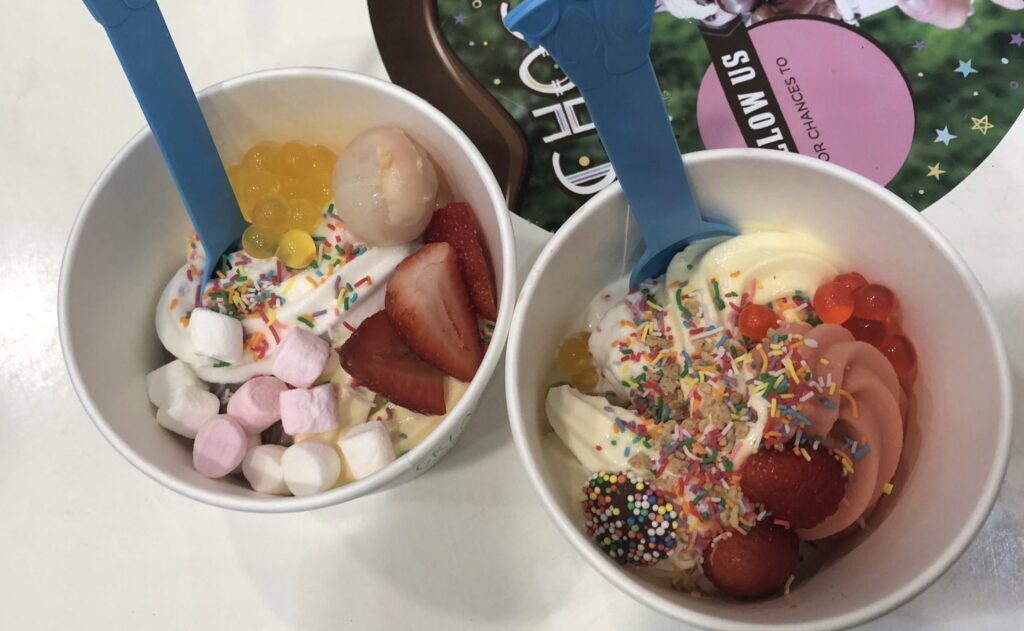
It seems as if there is a new taste ruling Australia’s streets every few years, leading to long lines and viral social media posts. Right now the obsession is Yo-chi: a frozen yoghurt chain born in Melbourne that feels like the only place to get dessert right now. When looking deeper into the rise of Yo-chi, what might look like a coincidence taking advantage of people’s sudden craving for froyo becomes a story of a purposeful campaign driven by a clever understanding of how the trends and motivations of gen Z manifest in dessert culture.
The Cycle
Right now it is yo-chi but they are just a part of a larger pattern. Self-serve “froyo” chains already had a period of popularity a decade ago, advertising a healthier option with walls of customisable toppings. There was also a craze for Boost Juice who turned smoothies and juices into symbols of an active lifestyle. Then there was Messina positioning gelato as a premium alternative to other desserts. More recently bubble tea and matcha became the dominant flavours. Why is it that desserts and dessert brands become extremely popular trends before being taken over by the next one?
What Drives the Cycle?
One reason for this cycle is “performative eating”. These products become more than just drinks or foods, they are a way for people to signal that they are ‘in the know’. People are increasingly making food and beverage choices based on the image it creates rather than for just taste or health. In the age of social media these desserts are curated to look aesthetic and beautiful so they can be posted to keep driving the popularity of the brand and so the poster can curate their identity. Without understanding this social trend aspects like price and healthiness of a product may seem important but these points are less relevant in “little treat culture”. This culture involves people buying small, affordable luxuries to cope with stressful times. This means that these desserts can be the perfect products for people to justify as a way of feeling happy.
How Yo-Chi took Advantage
Understanding the reasons behind this cycle can be key in successfully marketing a dessert brand. One person who understands this concept is Oliver Allis, who is the son of the Boost Juice Co-founders and became the brand director of Yo-Chi in 2020. Using the experience of his family in creating a cultural phenomenon Oliver was able to make Yo-chi “cool” again. Their strategy involved transforming their stores into “social hubs” that appeal to today’s health-conscious youth as “a much more inclusive place to hang out than bars and clubs” (Oliver Allis). They also focused on customisation, where customers can choose their own flavours, toppings and price points to make the brand as accessible as possible. This brand idea was pushed with campaigns that focused on environmental sustainability and creating a buzz on platforms like TikTok to resonate with the target demographic.
The Future
While the cycle of dessert trends suggests that a new obsession will eventually capture the attention of the public, that doesn’t mean the current leader will fade away. The rapid growth and professional management of Yo-Chi indicates an understanding of this cycle and a long term strategy that goes beyond a temporary trend. With plans of expanding its branches internationally Yo-Chi is creating a business model built on stability. Although the initial wave of hype may die down Yo-Chi will remain on Australia’s streets ready to satisfy a sweet craving.
Written by Sean Furniss