
Miles’s Law: Where Do You Stand on CEO Pay?
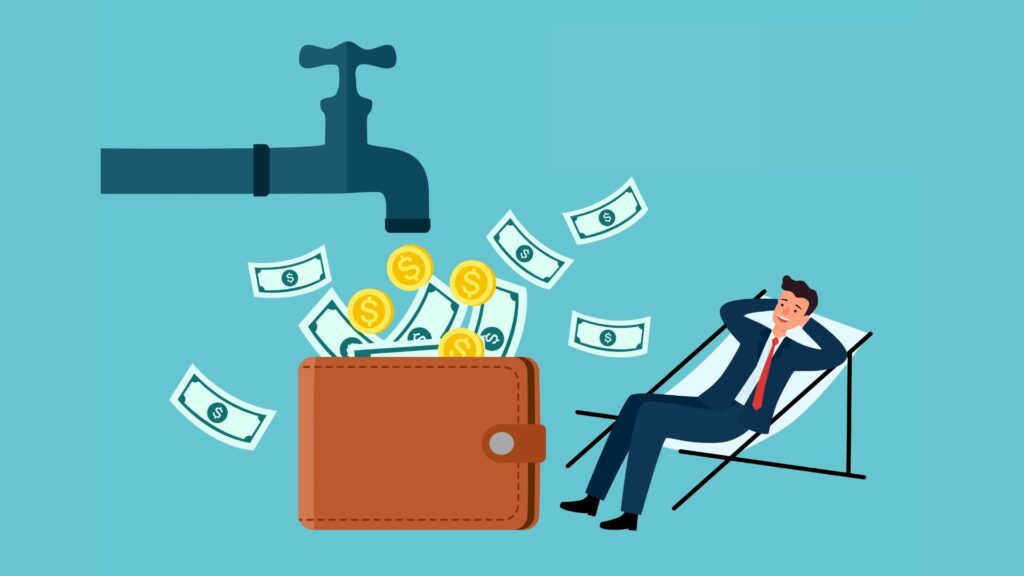
As human beings, we are not always aware of our own biases. So, quite often, without realizing it, what appeals to us may simply depend on where we find ourselves. This idea comes from Rufus E. Miles, an American government researcher, who in 1948 said, “Where you stand depends on where you sit.” He observed that people’s opinions are often shaped by their own position or role, rather than only by what is right. It may be that our opinion on high CEO pay, whether positive or negative, also falls under Miles’s Law. Let’s explore the subject together.
Sounds Like Fun Being a CEO, But Is It?
Who would not like to earn millions of dollars, travel by private jet, meet interesting people, and take fancy vacations? That is how many people imagine the life of a CEO, a Chief Executive Officer. It sounds like the best job in the world, does it not?
The Challenges of Being a CEO
Being a CEO is not always easy or fun. The job comes with a lot of responsibility. CEOs must answer to many people: the board of directors, employees, customers, the government, and even the media. Everyone watches what a CEO does, and even one small mistake can cause big trouble or lead to losing the job. When problems arise, a CEO must respond quickly and calmly. The role requires strong thinking skills and the ability to handle stress every day.
What Do CEOs Actually Do?
A CEO’s main job is to make big decisions for the company and guide it into the future. To do this, a CEO must have a clear goal and help everyone in the company work toward it. A good CEO gets people to believe in the company’s purpose and helps them cooperate. When ideas, money, and teamwork are in place, things can go smoothly.
You Must Be a Good Communicator
Good communication is another key part of being a CEO. In both good times and bad, a CEO must speak clearly to everyone who cares about the company. When a crisis happens, people need honest and calm messages from their leader. Smart CEOs do not wait for trouble. They make open communication part of their everyday work.
CEO Pay: A Tale of Two Worlds
Some well-known CEOs who earn millions every year include Elon Musk (Tesla, X), Larry Ellison (Oracle), Satya Nadella (Microsoft), and Sundar Pichai (Google). In Japan, famous names include Koji Sato (Toyota) and Makiko Ono (Suntory Beverage and Food), one of the few women leading a major Japanese firm.
In the United States, CEO pay has grown much faster than worker pay. A report from Fortune magazine explained that in 1965, CEOs made about 20 times more than the average worker. By 2023, they were making almost 300 times more.
In Japan, the situation is very different. The gap between what CEOs and workers earn is much smaller. Many Japanese companies value fairness and long-term balance. A study by Kushige, Niwa, Brown, and Nishina (2025) found that Japanese companies often think about the well-being of all stakeholders, not just shareholders. Researchers Salazar and Raggiunti (2016) also observed that Japanese companies often consider workers’ needs and opinions when deciding how much to pay top leaders.
Which Do You Favor?
Your view on CEO pay may depend on your own position in life, just as Miles’s Law suggests. If you are a regular worker trying to pay your bills, you might think CEOs already earn too much. But if you are a CEO who works long hours, makes hard decisions, and takes big risks, you may feel that your pay is fair for what you do.
So, what do you think: are CEOs paid too much, or do they deserve it?
Written by Everett Ofori