
Glow-up for groceries.
Functional foods trend and diet monitor systems getting updates
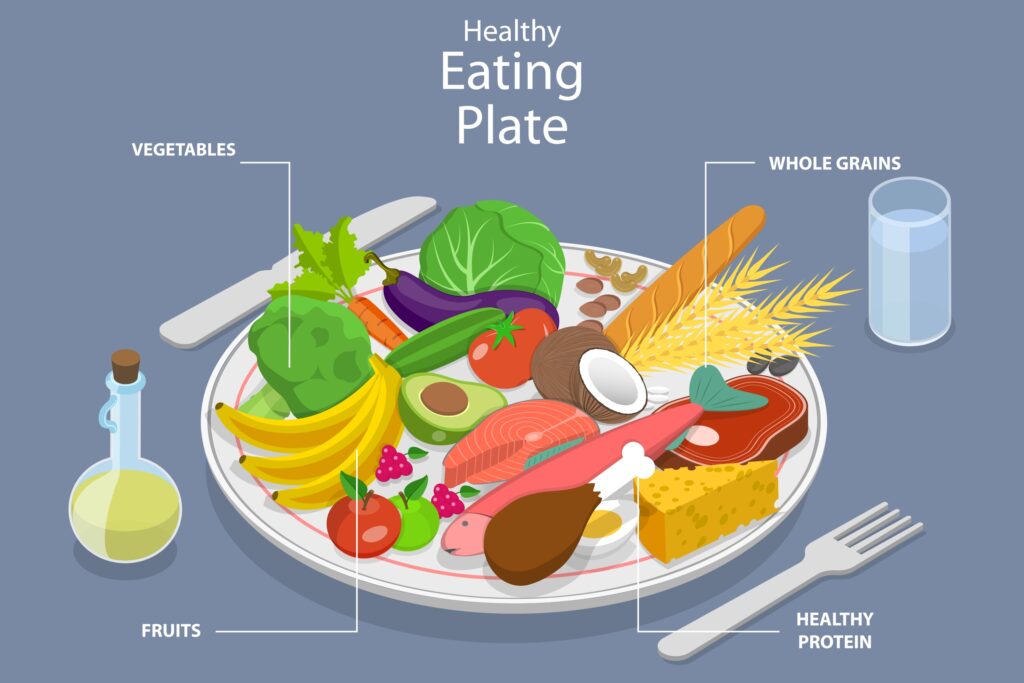
The old saying “you are what you eat” just got a corporate makeover. As people get savvier about nutrition and everyday food choices, big brands are rebooting products with added fiber, probiotics, and protein. What once lived on a niche wellness shelf is now a mainstream strategy for the food industry.
Big soda buys gut health.
Soda usually gets a bad rap on health scores, but PepsiCo is trying to change that. They are moving into digestive drinks by acquiring prebiotic-soda maker Poppi. Now you may be able to enjoy the refreshing fizz and sweetness of soda while getting a small gut-health boost.
Beyond the big brands, independent Kombucha brewers are thriving in U.S. The fermented tea—Kōcha Kinoko in Japan—packs live cultures that can help a healthy gut, and it’s now widely distributed to supermarkets, corner shops, and even gas stations.
Fiber gets a product line.
Fiber-enriched cereals and protein bars are already common. But how about ice cream? Headlines call it “fiber-maxxing,” where it’s becoming popular to add more fiber even in indulgences like dessert. Whole beans and veggies still do the heavy lifting, but brands are racing to meet public demand.
School lunch goes “brain food”
Top-down change is landing in cafeterias too. In the U.K., a major school caterer launched a “brain food” menu for secondary schools after students said weak breakfasts and lunches hurt concentration. Think breakfast omelette tacos, miso-broth chicken “posh pot noodles,” salmon-broccoli pasta, and strawberry-cheesecake overnight oats. Dietitians helped design it, parents backed it, and the signal is clear: put nutrient-dense meals where focus matters most.
The new tool stack for shoppers
To reach the masses, everyday tools are entering the world of food and health. Here are a few industry-leading tools to try:
Scan-and-score apps|Yuka.
Yuka is a barcode-scanning app that gives each product a simple score based on nutrients and additives, then suggests cleaner swaps. It speeds up label reading and nudges you toward higher-fiber, lower-additive picks without spending all day in the aisle.
At-home breath testing|FoodMarble AIRE.
AIRE is a palm-size breath device that measures hydrogen and methane after you eat certain carbs. When gut microbes ferment carbs you do not digest well, they produce gases. A rise in hydrogen or methane can hint at which foods ferment for you, so you can adjust fiber types, prebiotics, or meal timing.
Glucose biosensors for non-diabetics|CGM.
A continuous glucose monitor (CGM) is a small sensor that tracks glucose under the skin and sends data to an app. Different foods affect people differently. Smoother glucose curves often align with steadier energy, mood, and focus. A short tracking window can teach you which meals work best for your day.
Abbott Lingo.
An over-the-counter wellness CGM in the U.S. It pairs a sensor with an app that turns glucose curves into simple insights, like which breakfasts keep your energy steady.
Oura Ring + Stelo.
The Oura Ring, a wearable health device known for its sleek, jewelry-like design, now integrates with Dexcom’s Stelo CGM program, so you can view sleep, readiness, recovery, and glucose in one place.
If 2015 was “add chia to everything,” 2025 is “add data and science to our kitchen.” Schools are experimenting, brands are investing, and your tools are getting smarter. Now it is up to us: choose what goes into the cart and what supports the brain.
Written by SAKURACO