
“I Made This”: The Rise of the Maker Student
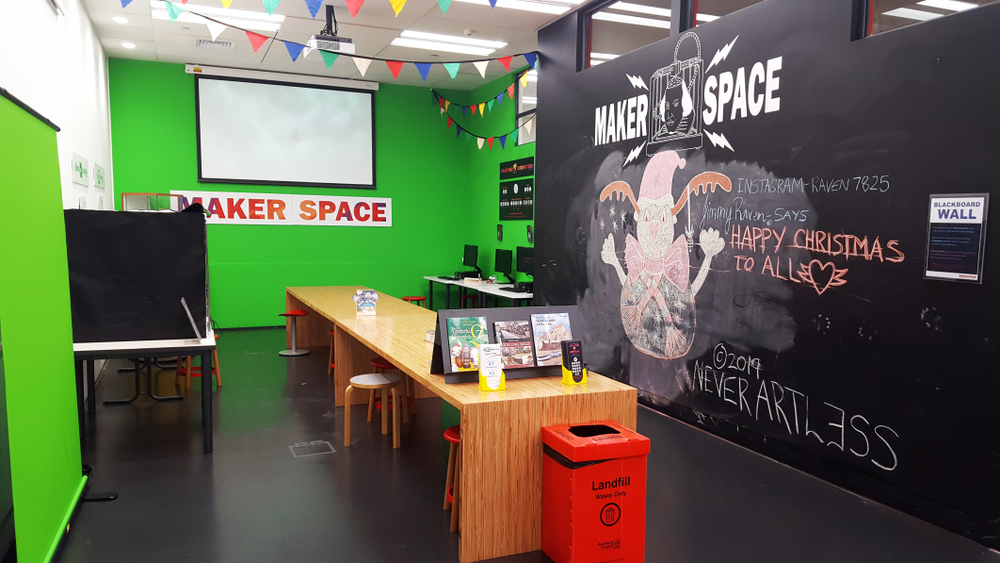
You may have heard of a time when men felled trees with their own axes to craft tables and chairs, while women used knitting needles to weave cozy shawls and sweaters for their loved ones. Today, with factories from China to Chile mass producing goods of every kind, one might assume that the maker, someone who creates products with their own hands, whether original or adapted from existing designs, is a figure relegated to the past. This, however, is far from the truth.
It is true that masters of traditional Japanese crafts, such as urushi lacquerware, washi paper, and handmade ceramics, struggle to attract young students willing to dedicate years to mastering these skills. Yet this does not imply that young people in Japan lack interest in handcrafting. Many are discovering the joy of thinking critically, experimenting with new ideas, and employing tools to design and construct a diverse range of products, from furniture and fashion items to robots and innovative gadgets.
Schools and FabLabs: A New Kind of Classroom
Several high schools have established spaces where students can use routers, drills, saws, wrenches, and electronic kits to bring their ideas to fruition. These workshops often resemble small FabLabs because they integrate traditional craftsmanship with digital fabrication technologies, such as 3D printers and laser cutters. At the university level, institutions like Institute of Science Tokyo (formerly Tokyo Institute of Technology)and Keio University have launched innovation hubs that promote learning through hands-on creation. This approach continues Japan’s long-standing tradition of monozukuri, or “the art of making things.”
DIY Culture and Community Spaces
The maker movement is further supported by DIY shops and open workshops that provide access to essential tools and materials. Akihabara remains a hub for enthusiasts and innovators, offering electronics stores and parts suppliers catering to both beginners and experts. Beyond Akihabara, spaces such as FabCafe Tokyo and Makers’ Base Tokyo serve as venues for collaboration, skill development, and knowledge exchange among designers, students, and hobbyists.
Magazines and YouTube: Stimulating the Mind
Most makers recognize that no single individual has a monopoly on innovative ideas. Consequently, they may subscribe to leading maker magazines in Japan or abroad and take advantage of accessible tutorials on robotics, Arduino, and other creative design tools. In addition to print media, many turn to YouTube and similar platforms, which they frequent extensively to observe the work of others and to inspire their own creative projects.
Maker Fairs: Where Ideas Come to Life
Once a maker has built something exceptional, where can they showcase it? Across Japan, events such as Maker Faire Tokyo and Maker Faire Kyoto provide students, professionals, and hobbyists with the opportunity to present their creations, from handmade drones to interactive art. These fairs celebrate creativity, collaboration, and the fulfillment of transforming imagination into tangible reality.
A Fun-Filled Future
Japan’s maker culture is more than mere enthusiasm for DIY because it perpetuates a national tradition that values skill, creativity, and innovation. As schools and communities expand access to FabLabs, workshops, and maker events, a new generation of creators is emerging. They are bridging traditional craftsmanship with digital technology, demonstrating that the spirit of monozukuri thrives in the hands of Japan’s young makers.
Written by Everett Ofori