
Have You Been Vaccinated For HPV?
What is HPV, and what are its symptoms?
Human papillomavirus (HPV) is a viral infection transmitted through sexual or other skin-to-skin contact. It is the most common sexually transmitted illness (STI), and it can be passed on to someone else even if the person with HPV shows no signs or symptoms of infection. It does not always develop immediately, and may take years after sexual contact with someone with HPV, making it hard to know when you got infected. As there are many types of HPV, in 9 out of 10 cases, the virus causes no problems and leaves the body. However, when it does not go away, it can cause serious health problems like cancer and genital warts. The types of cancer include cervical, penile cancer, and cancer in the back of the throat, including the base of the tongue and tonsils. However, penile, anal, and other cancers are rare, posing a greater risk to people with a cervix. Although not all HPV infections cause cancer, almost all cervical cancers are caused by HPV, and they can take up to 20 years or longer to develop after infection.
Individuals who notice unusual growths, lumps, warts, or sores in their genital area, mouth, or throat are advised to talk to a healthcare provider.
Two types of tests can be used to check for infection. The first is a cervical screening, also known as a pap smear, which checks the cervix for precancerous cells that may cause cervical cancer in the future if left untreated. The second is an HPV test, which can detect high-risk strains of HPV that could develop into cancer. In Japan, people over the age of 20 are advised to get screened for cervical cancer.
Prevention of HPV
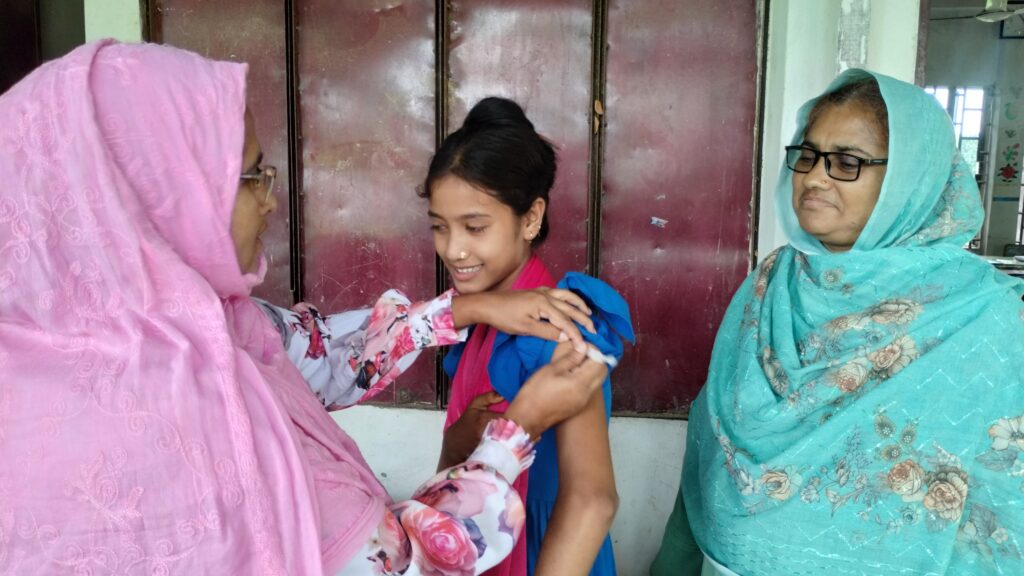
HPV vaccines are highly effective and have the best chance of preventing cervical cancer. It not only protects the recipient but also helps to prevent spreading it to others. From June 2013 to May 2022, the Japanese government suspended public advocacy for routine HPV vaccinations following reports of adverse effects such as chronic pain, but HPV vaccines had been established as safe before then, and critics have described the suspension as a “misstep”. The Japan Society for Obstetrics and Gynecology has highlighted the safety of the vaccines, and recipients are registered and tracked for 2 years following vaccination. In 2022, the government launched a “catch-up vaccination” initiative, encouraging people to get vaccinated, free of charge. If you have received the first shot by March 2025, you can get the second and third doses until March 2026. Another preventative measure that is not only for HPV but for all STIs is to properly and constantly use condoms during sexual activities.
Importance of Sex Education
Although UNESCO (United Nations Educational, Scientific, and Cultural Organization) continues to campaign for comprehensive sexuality education, there is a lack of it in many countries, including Japan. UNESCO refers to comprehensive sex education as “a curriculum-based process of teaching and learning about the cognitive, emotional, physical, and social aspects of sexuality.” It is aimed at equipping children and young people with the knowledge and skills that “empower them to realize their health, well-being, and dignity; develop respectful social and sexual relationships,”. This approach emphasizes the values of respect, non-discrimination, equality, empathy, and responsibility, and introduces a healthy way of thinking and talking about human sexuality.
In Japan, children do not learn about sex and contraception, and organizations advocating for sex education in schools have long criticized Japan’s education system. Asuka Someya, head of a nonprofit organization called Pilcom, stated that “today’s sex education in Japan does not fit the reality of teenage children”. In 2020, there were over 10,000 abortions for people between the ages of 10 and 19. The lack of sex education has led to young people’s unawareness surrounding pregnancy, leading to unplanned pregnancies. This lack of education also means that young people do not learn about consent, contraception, and STIs, concepts that are extremely vital for everyone’s well-being. According to the Children and Families Agency in Japan, more than 1 in 4 young people aged 16-24 have been subjected to some form of sexual violence, and each year in Japan, 10,000 people are diagnosed with cervical cancer and 3,000 people die from it. It is one of the most common types of cancer that affects young people.
Written by まりか