
Why Storytelling Sells
Storytelling means talking about events or experiences in an interesting way. People use storytelling to teach, to entertain, or to explain an idea. In many countries, children grow up with famous stories. In Japan, children hear the story of Momotaro, the boy who came from a peach. In Ghana, many children learn about Anansi, the clever spider.
In India, children often hear stories from the Panchatantra, such as the tale of the monkey and the crocodile. Even when we become adults, we still enjoy stories. This may be why gossip is common: it is another form of storytelling. Stories can be very powerful. They can change what we buy, the things we try, and even the leaders we follow.
The Things We Buy
You may have an excellent product, but if no one tries it, how will they know? This is where storytelling becomes important. Think of the famous story of Colonel Sanders, the founder of Kentucky Fried Chicken (KFC). He was already 67 years old when he finally succeeded in sharing his chicken recipe with the world. Wherever KFC opens a new store, the smiling face of Colonel Sanders means more than just “delicious chicken.” It tells a story of resilience and persistence. His story reminds us that it is never too late to chase a dream.
Because of stories like this, many companies today are learning to tell their own stories. They want to connect emotionally with customers—to win both hearts and minds, not only wallets.
The Experiences We Go For
Why would anyone jump off a cliff, a plane, or a tower? The story behind these activities is one of bravery and change. People who go skydiving or bungee jumping often say that the experience changed them. Such stories show us that courage is not only for heroes in movies. Ordinary people can also face fear and grow stronger. When we hear or tell these stories, we begin to believe that we, too, can overcome our own challenges, whether they are problems, doubts, or fears.
The Leaders We Follow
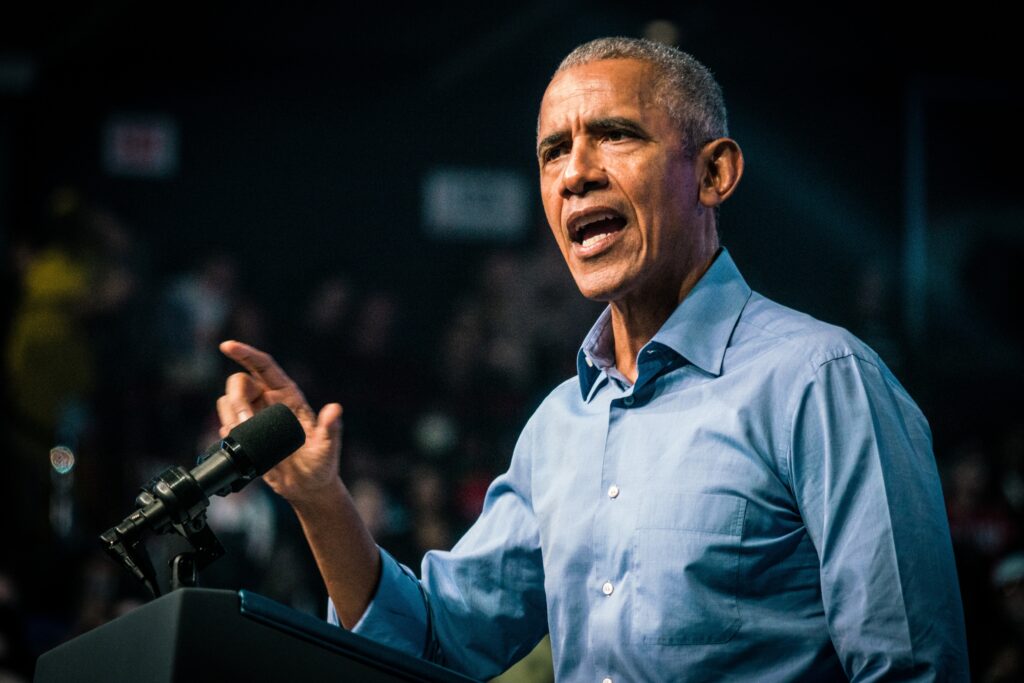
Throughout history, great leaders have told great stories. Winston Churchill used powerful speeches to keep Britain’s hope alive during World War II. Abraham Lincoln spoke about unity and equality in a divided America. Mahatma Gandhi’s story of peaceful resistance inspired millions. More recently, leaders such as Barack Obama, Mother Teresa, and Jane Goodall have also moved people through stories about community, compassion, and even chimpanzees. These leaders did not simply give orders; they shared visions of what could be and invited people to join them.
Why Storytelling Sells
Storytelling sells because it touches something deep inside the human heart. A good story is not just about the storyteller: it helps the listener imagine that they are the hero. As Donald Miller explains in his book Building a StoryBrand, “Customers are not interested in your story. They are interested in being invited into a story that helps them survive and win.” This is the secret behind why storytelling works in business, leadership, and everyday life. We all want to see ourselves overcoming challenges and achieving something meaningful.
So, what story will you tell yourself today? What story will you use to inspire others to take action, dream bigger, or simply believe in themselves? Whatever it is, remember this: people may forget what you say, but they will never forget a good story.
Written by Everett Ofori