
Women and Education: A Journey Toward Equality
A Long History of Exclusion
Throughout history, in cultures both in the West and in the East, women were often excluded from formal education. Schools, universities, and other systems of learning were mainly designed for men. As with many areas of life, there were exceptions: Some women managed to study, write, or invent despite the barriers placed before them.
Hidden Contributions
Even without equal access to education, women made important contributions in art, science, and literature. Many of their ideas were ignored, hidden, or even credited to men. Sadly, some women had to hide their real identities to gain recognition.
For example, Amandine-Aurore-Lucile Dupin, a French novelist of the 19th century, published her works under the male pen name George Sand so that her novels would be taken seriously. Even in recent times, J.K. Rowling, author of the Harry Potter series, chose to use initials instead of her full name, “Joanne,” so that her gender would not affect how her books were received.
Stories from History
The 2016 movie Hidden Figures tells the true story of African-American women mathematicians who worked for NASA in the 1960s. These women, Katherine Johnson, Dorothy Vaughan, and Mary Jackson, helped launch the first Americans into space. Yet, for many years, their names were forgotten, and their contributions were not recognized because of their race and gender.
Modern Times, Old Problems
For those of us living in the 21st century, it might seem as though women now have equal opportunities. We see powerful women like Taylor Swift, Oprah Winfrey, and Japan’s Prime Minister Sanae Takaichi making global headlines. However, the road to equality is not yet complete.
As recently as 2018, it was discovered that several medical universities in Japan had secretly reduced women’s entrance exam scores to limit the number of female doctors. The excuse was that women were more likely to leave work after marriage or childbirth. This shocking revelation showed that gender discrimination still exists, even in advanced societies.
Signs of Progress
Despite such setbacks, there are positive changes. In many countries, including those in North America, the number of women attending college now exceeds that of men. Women are entering fields once thought to be for men only, such as engineering and computer science.
One of the early voices for women’s education was Dr. James Emman Kwegyir Aggrey (1875–1927), a Ghanaian educator. He famously said, “If you educate a man, you educate an individual. But if you educate a woman, you educate a nation.” His words continue to inspire people around the world.
Looking Ahead
The 2025 Global Gender Gap Report by the World Economic Forum shows that 35 out of 148 economies have achieved full equality in educational attainment. This is a strong sign that the world is moving in the right direction, but there is still work to do.
As a society, we must ask ourselves: What inventions, discoveries, or technologies are we missing because some girls are still denied education? Are we ready to let every human being, male or female, develop their full potential?
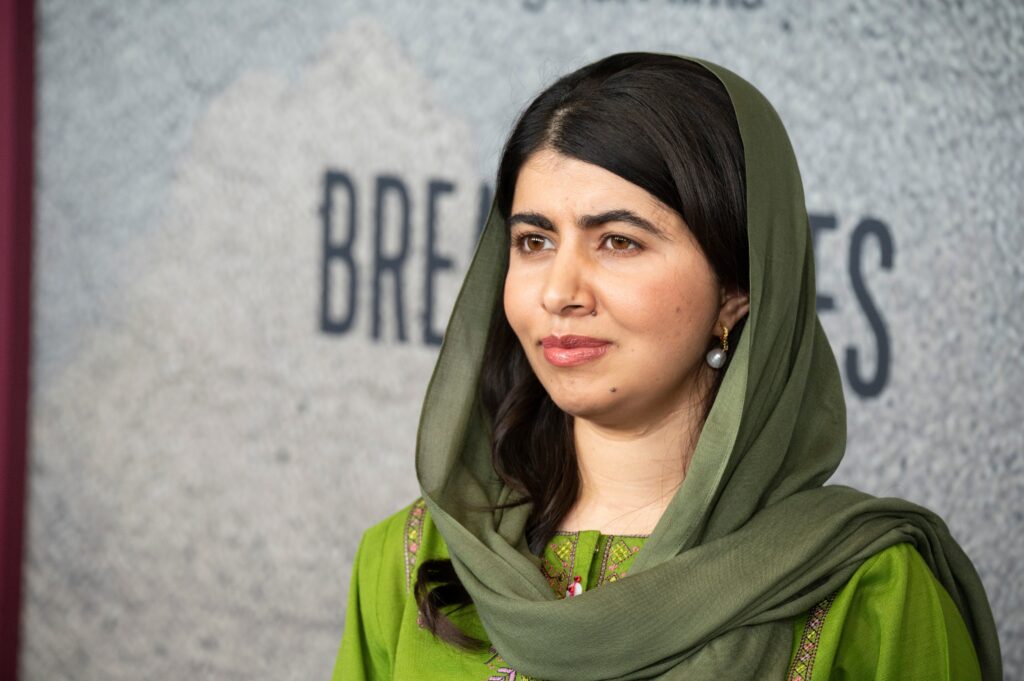
Perhaps the answer lies in the words and actions of Malala Yousafzai, the Pakistani Nobel Peace Prize winner. She continues to fight for the right of every girl to go to school. Supporting her vision means believing that education should be a right, not a privilege.
Written by Everett Ofori