
“Shop Like a Billionaire”: How Temu Transformed Shopping
What is Temu?
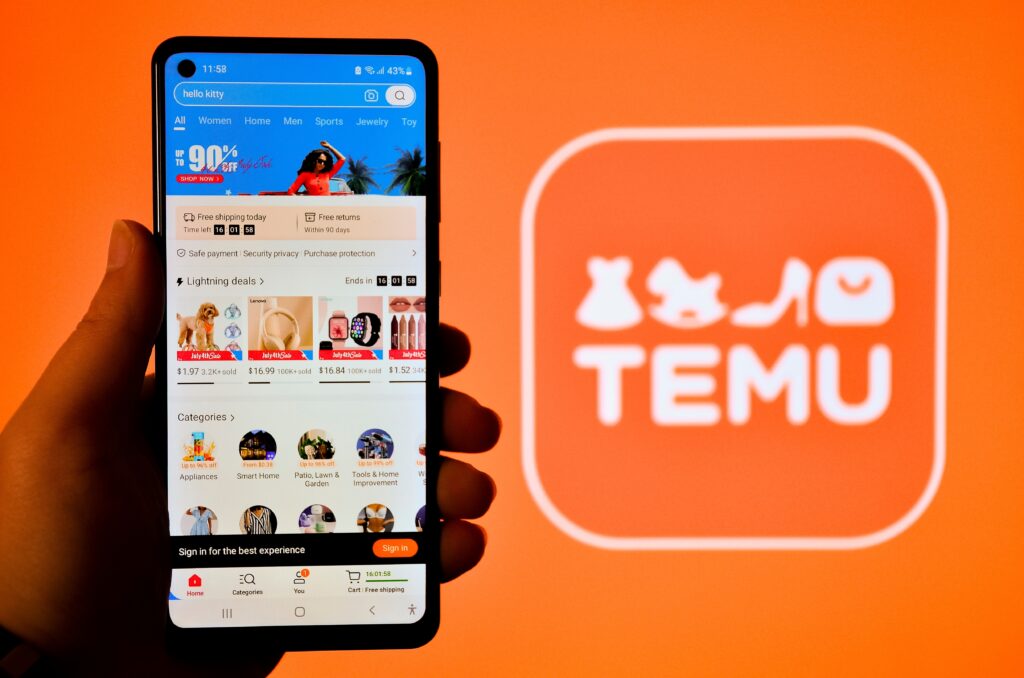
Temu is an online marketplace that is leading a surge of popularity in ultra cheap online shopping sites in the recent. The main selling point is the unbelievably low price points of the products that it claims is made possible by connecting consumers directly to Chinese vendors and “cutting out the middle man”. This direct model lets Temu sell everything from clothes to gadgets for a fraction of the regular price. On top of this the app turns shopping into an experience that is not just about bargains. The app includes games including daily rewards, spin to win wheels and mini games to keep users hooked.
How Temu Took Over the Internet
Temu’s marketing strategy was aggressive from the beginning, offering products at prices 30-70% cheaper than traditional retailers and reinforcing with constant flash sales, coupons and bonuses for referrals. This strategy of shocking prices was designed to feed directly into “haul culture” that is popular on social media such as TikTok where creators will buy large quantities of online shopping and present their haul in a video when it arrives. This marketing strategy paid off and Temu continued to invest heavily in all spaces of advertising. The ad slots on the superbowl are notoriously among the most expensive in the world and Temu played a commercial three times during the 2023 superbowl, costing an estimated 21 million USD. The total of over 505 million USD in 2023 made it feel like you couldn’t escape seeing Temu and it resulted in the app being the most downloaded on the appstore for the year.
This business model follows the model of the Chinese company, Pinduoduo, which shares the parent company of the e-commerce giant PDD Holdings with Temu. In this model buyers are linked straight to Chinese factories instead of traditional wholesalers and retailers. At first, shipping from China made things tricky and unprofitable overseas, so Temu set up warehouses in big markets like the US to speed things up.
Shein Parallels and Backlash
The model of the website draws large comparisons to fast fashion website Shein. Temu and Shein are both websites that promote trending products at cheap prices. However the websites also fall under similar criticisms. Shein has in the past been accused of selling products made in workshops with unsafe working conditions, where some employees reportedly worked 17-hour days and were faced pay cuts for any mistakes. Beyond labor concerns, Shein has been criticized for its environmental impact with its unsustainable fast fashion approach. Additionally, the quality of its products is often questioned, and the company has faced allegations of copying independent designers’ work.
Critics are concerned that these types of sites normalise a culture of constantly disposing and rebuying products instead of recycling and reusing high quality materials. Despite this Temu’s growth shows no signs of slowing so it is up to regulators to ensure that online retailers are kept to an acceptable standard.
Written by Sean Furniss