
The Price of Radiance: Inside the “Well Woman” Economy
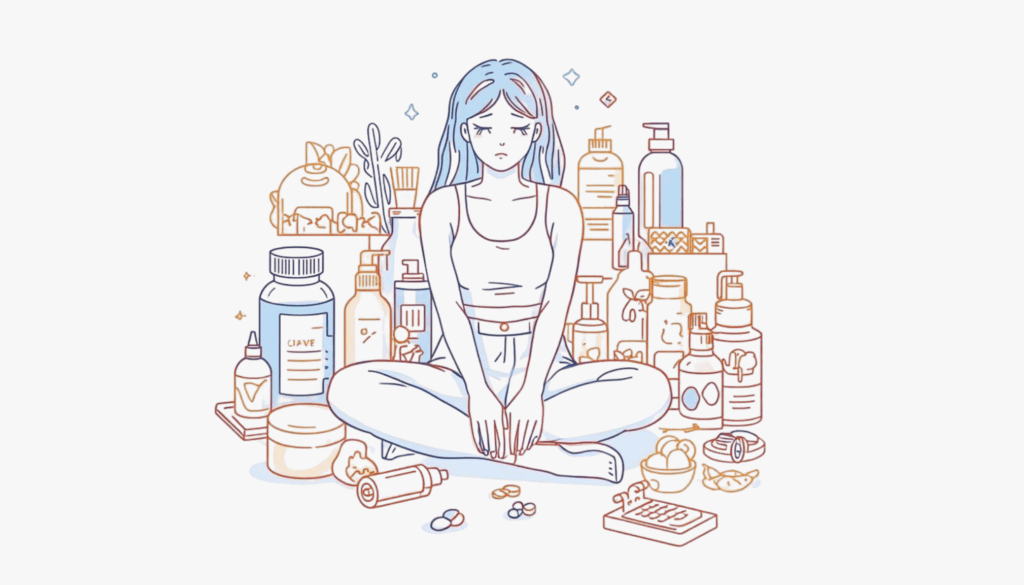
Celebrities aren’t just selling clothes anymore; they’re selling wellness. Ten years ago, fashion felt like the main character. Today, wellness is the headliner. A new app promises a better workout. A shiny bottle says it will “detox” your life. A famous face sips a superlatte with “adaptogens,” a buzzword many people can’t even define. The message is everywhere and very simple: don’t just look good—be strong, calm, glowing, and maybe even younger.
This is a big shift from the old promise of fashion. A great outfit made you stylish for one night. Wellness suggests something larger. If you buy the right things—supplements, juices, scans, blood tests, meditation apps, meal kits, fitness trackers—you can transform your body and spirit. The packaging is gorgeous. The language is soft and persuasive. But inside the glow, there are questions. Many products make claims that science hasn’t fully tested. Pretty bottles can hide old “snake oil”—cures that sound magical but don’t do much. The sales pitch often pulls on our fears: aging, weight, stress, and the feeling that life is out of control.
And it’s not small. The Global Wellness Institute estimates the wellness economy at $6.8 trillion in 2024, with more growth ahead. That makes “wellness” larger than many familiar industries we talk about every day.
The culture piece matters too. In many cities, activewear at the café is normal. Botox can sound like a casual weekend plan. None of these choices are “bad” on their own, but together they create quiet pressure: be productive, be serene, be ageless, be radiant. Public faces of wellness brands look flawless—smooth skin, calm eyes, tidy morning routines. The unspoken rule becomes: to be “well,” you must also be “hot.” Real health, of course, doesn’t always look like a magazine cover, and it definitely shouldn’t require $200 leggings.
As high fashion got more democratic—runways streaming online, trends copied overnight—wellness turned exclusive. It speaks a private language: rare herbs, ancient rituals, “protocols,” exclusive memberships. The vocabulary itself creates distance: mystical, expensive, always slightly out of reach.
Still, people join for real reasons. We sit too much. We’re surrounded by ultra-processed food. Stress feels nonstop. Medical systems are busy, and prevention takes time we don’t have. Wellness steps in with fast answers and beautiful branding. Yet the price and pressure often serve those who need it least—those who already have access to good food, gyms, and healthcare.
There’s also a gender split. Some male tech founders talk loudly about longevity—living much longer through strict routines and extreme experiments. Women hear a different promise: not “live forever,” but “go back.” Back to a pre-baby body, back to pre-menopause, back to a past version of you. Time only moves forward, but ads whisper you can reverse it if you buy the right thing. It’s an exhausting, expensive goal—and it keeps moving.
A dose of perspective helps. Over the last decade, wellness has grown about twice as fast as global GDP—great for business, not always great for our nerves. Trends spin quickly (Bone broth! Coconut oil! Turmeric! next!). Your nervous system prefers calm, not the chase. Choose what is sane, kind, and sustainable in your real life: a daily walk, food you enjoy and digest well, decent sleep, regular checkups, community. Your true glow is not a product; it’s a practice.
If you love your green juice, enjoy it. If you can’t pronounce your supplement, maybe pause. Wellness can be wonderful when it supports your actual needs instead of selling you a fantasy. Radiance is lovely—but so is relief. And relief, unlike most powders, is free.
Written by SAKURACO