
What We Can Learn from NASA’s Surprising Mistakes
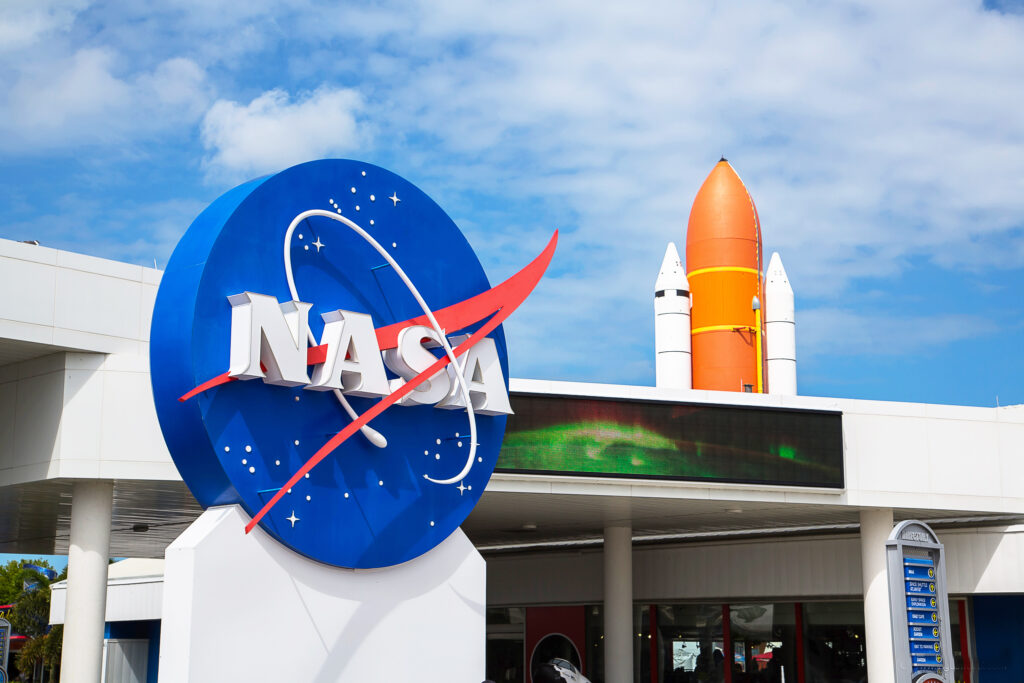
When we think of organizations like NASA, we think of big budgets and big brains. NASA has inspired millions with visible achievements, such as sending people to the moon and back. Research from NASA has also led to improvements in our daily lives with inventions such as scratch-resistant lenses and water purification systems. So, there is a lot we can all learn from such an organization.
But surprisingly, even NASA makes mistakes. One of their mistakes in particular can teach us the importance of communicating clearly, confirming understanding, and double-checking work.
The Metric and Imperial Units Mistake
In 1999, NASA lost a spacecraft called the Mars Climate Orbiter. The project involved two different teams: Lockheed Martin and NASA’s Jet Propulsion Laboratory (JPL).
In many parts of the world, governments and organizations use the metric system. It measures length in meters, weight in kilograms, and liquids in liters. The United States government, however, uses the Imperial system, which measures length in inches and feet, weight in pounds, and liquids in gallons. Some American companies have chosen to use the metric system voluntarily. This mix of measurement systems caused the problem.
Lockheed Martin built the spacecraft, while JPL managed the mission. Lockheed Martin sent data about the spacecraft’s thrusters in pounds of force. JPL, which expected metric units, used this data directly in their calculations. The result was a path error. Instead of entering Mars’ orbit safely, the spacecraft went too close to the planet and burned up. NASA lost the Mars Climate Orbiter, which cost about 125 million dollars.
What Can We Learn From This Mistake?
Say Instructions Clearly
When we work with others, we are not dealing with robots. Sometimes we hesitate to speak clearly because we do not want to hurt anyone’s feelings. But in a project, it is most important that the message is clear and correct. Communicating clearly does not mean using big words or complex sentences. You can check your instructions several times to make sure they say exactly what you mean.
Ask If Instructions Are Understood
After giving instructions, we should ask the other person to repeat what they understood. This way, misunderstandings become clear before mistakes happen. For example, if the JPL team had confirmed that Lockheed Martin’s numbers were in metric units, the error could have been caught immediately.
Check Work Carefully
Finally, it is important to review all details together at the end. Do not assume that the other team has everything under control. If both teams had carefully reviewed each step, there would have been one last chance to correct the mistake.
A Lesson for Our Personal Life and Work with Others
Whether we are working alone or with others, we can benefit from building opportunities for clear communication, intermediate checks, and final reviews. Catching mistakes early is almost always easier and cheaper than fixing problems at the end.
Tom Gavin, the JPL administrator at the time, said, “Something went wrong in our system processes in checks and balances…” His words remind us that even the smartest organizations can fail when communication and verification are not strong.
By learning from NASA’s mistakes, we can improve how we work, collaborate, and avoid small errors that can become big problems. Sometimes, rocket science teaches simple but powerful lessons.
Written by Everett Ofori