
Fake News Everywhere: How Can You Protect Yourself?
There is a saying: “In the modern world, stupid people are too sure of themselves, while smart people doubt themselves.”
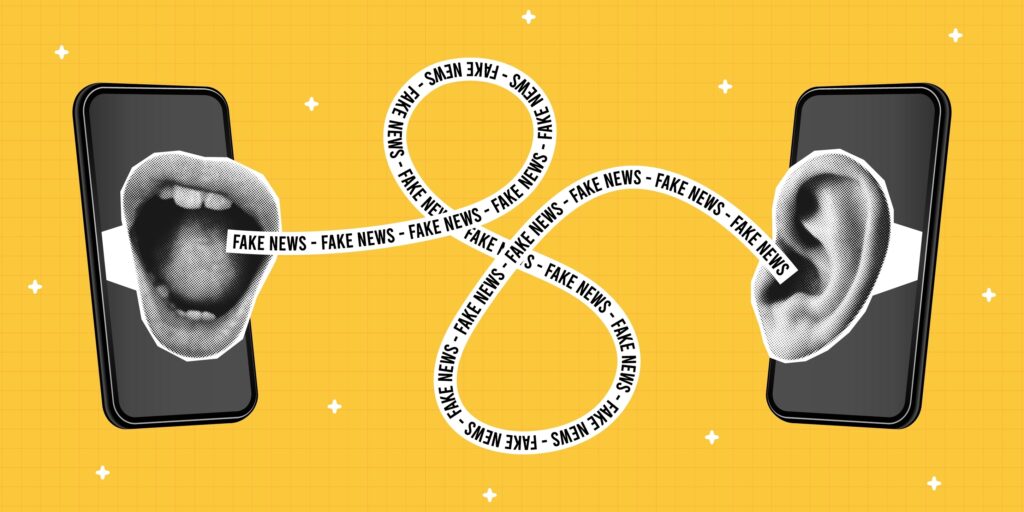
Today, the words still feel true. We live in a world full of fake news. Some people spread lies loudly, while claiming that others are not telling the truth. Imagine growing up with news that is not real. With fake news all around, it is important to know how to protect ourselves.
Why People Believe Fake News
People believe fake news for different reasons. Often, it fits with what they already feel or think. If the news makes them feel fear, anger, or surprise, they pay more attention to it. Some people even like feeling angry all the time, so they enjoy fake news that makes them upset.
Fake news can also make people feel special. It may seem like secret information that others do not know. This makes them feel part of a group that knows more than everyone else. Sometimes, believing fake news gives comfort or a sense of belonging. People may follow a group they like, even if the information is wrong.
How Fake News Hurts Families and Friends
Fake news can also cause problems at home or with friends. When people have strong opinions about politics, vaccines, or social issues, it can create arguments. Each person may think they have the truth, and the other person is wrong. Instead of looking for the truth together, disagreements can turn into anger and feelings of betrayal. Sometimes, this ends long friendships or family relationships.
Feeling Tricked by Fake News
When people realize they have been tricked, they are usually unhappy. They may ask themselves, “How could I believe this for so long?” Many friends or family members may have tried to explain the truth, but it was hard to listen.
Many countries, including Japan, Australia, and Canada, see the need to teach students and the public about fake news. Schools and organizations help people learn how to check information and avoid lies online.
How to Protect Yourself from Fake News
Some organizations work to teach media literacy. For example, in Canada, MediaSmarts helps schools and communities understand and check online news. Their campaigns, lessons, and guides show people how to think carefully about information.
Even without formal training, anyone can protect themselves by asking simple questions: Who shared this news? Can I trust them? What proof do they give? Why did they post it? Is it to help people or to scare, shock, or make people angry?
We cannot always wait for governments or organizations to help. Each of us must take the first steps. By checking information and thinking carefully, we can avoid being fooled by fake news. Protecting yourself is not only smart, it keeps you and your friends safe.
Written by Everett Ofori