
15 Years Since the Great East Japan Earthquake
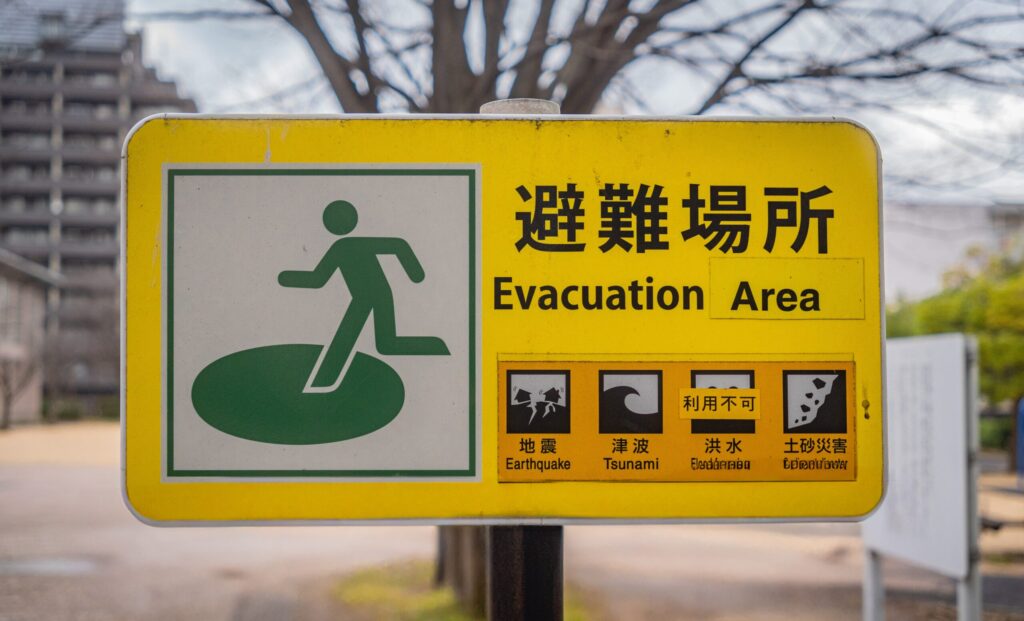
2011 Earthquake and Tsunami
At 2:46 pm on March 11th, 2011, an earthquake with a magnitude of 9.0 shook Japan. This was the largest magnitude ever recorded in the history of Japan, and the third-largest in the world since 1900. This earthquake caused deadly tsunamis to hit many areas in the Tohoku region, with Iwate Prefecture recording a maximum tsunami run-up height of around 40 meters.
This earthquake and tsunami killed 19,775 people, and 2,550 people are still missing as of 2024. Many designated shelters and relief centers were destroyed by the tsunami, causing major hindrance to rescue efforts. Moreover, the central government failed to efficiently assess the needs of affected municipalities due to the underdeveloped coordination systems. A massive tsunami of over 10 meters struck Fukushima, disabling the power supply and cooling of three reactors in the Fukushima Daiichi Nuclear Power Plant, leading to what the United Nations has called “the largest civilian nuclear accident since the Chernobyl accident in 1986”. This led to hydrogen gas buildup that caused explosions in the reactor buildings, damage to fuel in the reactor cores, and the release of radioactive materials into the environment. As a result, more than 150,000 residents were forcibly evacuated from their homes.
Aftermath of the Fukushima Nuclear Accident
In the years that followed, discourse continued surrounding the impact of the disaster on public health. The Guardian reports that shortly after the accident, Japanese officials and the International Atomic Energy Agency stated that an increased risk of disease associated with radiation exposure was not expected. However, anti-nuclear organizations expressed disappointment, calling their statements premature.
There have been several cases of cancer among workers at the Fukushima Daiichi nuclear power plant at the time of the disaster.In 2014, a worker who had reported feeling unwell after spending a year working at the disaster site was diagnosed with leukemia. In the following year, the Labor Inspection Bureau in Fukushima Prefecture recognized that his illness was work-related, taking into account his duties at the nuclear power plant. This case became the first to be officially recognized by Japan’s health ministry as a work-related illness associated with radiation exposure.
Beyond this case, debate over the relationship between radiation exposure and its health effects has continued.
Lessons Moving Forward
From typhoons, earthquakes, landslides, tsunamis, to volcanoes, Japan is a country extremely prone to natural disasters. Thousands of people are affected by natural disasters each year, with numbers increasing due to climate change.
We must urge the government to fund more risk reduction, recovery, and reconstruction plans. In 2025, NHK conducted a survey among individuals living in Iwate, Miyagi, Fukushima, and other areas that faced evacuation orders following the Fukushima Daiichi nuclear power plant disaster. When asked what they think the government should focus on in preparation for future natural disasters, 44% responded that lifelines such as water and electricity should be restored promptly. An individual from Iwate reported living without running for a week and without electricity for a month after the earthquake in 2011. 29% responded that the government must prepare better tsunami evacuation measures, and 24% asked for better evacuation facilities.
Moreover, Kimura Reo, a professor from the University of Hyogo, said that many people have voiced concerns about problems arising due to aging infrastructure all across the country. According to the NHK, “the professor indicated that the survey results may reflect people’s strong desire for the government to respond better immediately after disasters.”
Written by まりか