
Beyond Fight or Flight: Learning to Live with New Technology
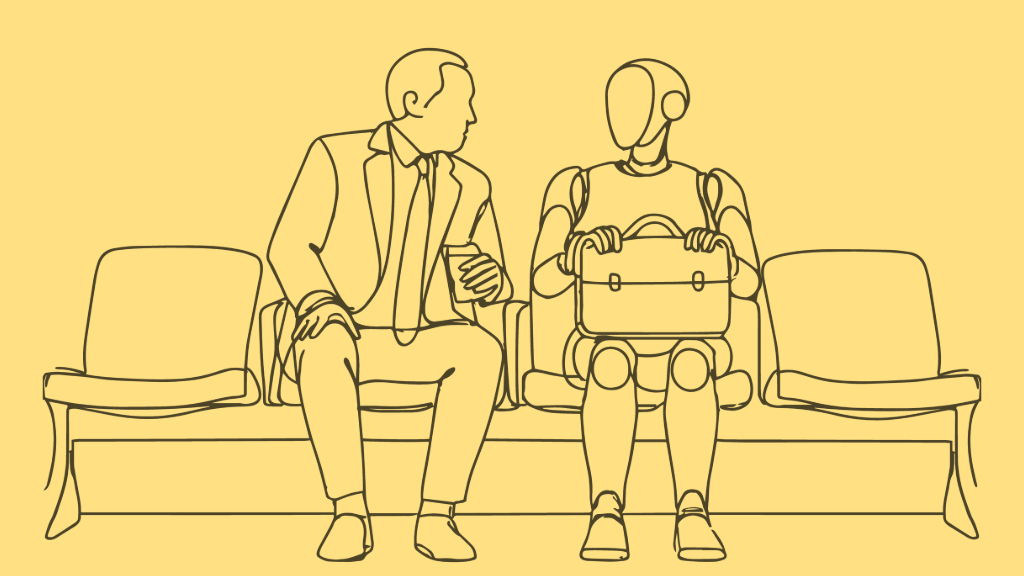
Human beings are wired for self-preservation, so it is not surprising that many people feel nervous around new technology. When we see an unfamiliar machine or app, we may wonder: Will it break? Will it harm me? Will I look foolish using it? This fear of the unknown is not only found in the past. Even in the 21st century, parents and grandparents sometimes avoid smartphones, tablets, or online services until someone gently shows them how to use them.
People also resist technology because they fear the unknown, losing control, and losing their jobs, and because they feel comfortable with what they already know. When change happens too fast, it can feel like the world is moving ahead without us.
Fear of the Unknown
One strong reason people resist technology is the fight-or-flight response. When something feels strange or risky, our brain tells us to either face it or avoid it. New technology often feels unsafe simply because we do not understand it yet.
Some people worry they will press the wrong button or damage something. Others fear embarrassment, such as looking “stupid” in front of others. These emotional reactions are very human. We imagine many bad possibilities before we understand the real situation. In most cases, technology does not hurt us. But without knowledge, our minds fill the gap with fear.
Loss of Control and Job Insecurity
Another major reason people resist technology is the fear of losing control, especially control over work. Throughout history, machines have replaced human labor. When that happens, people feel threatened.
Geoffrey Crossick explains how London weavers in the 1600s burned new looms because they feared losing their jobs. The machines could do their work faster and cheaper. Their reaction was not just anger; it was about survival.
Today, the same fear appears with artificial intelligence. According to Aisha Down, up to three million low-skilled jobs in the UK may disappear by 2035 because of automation and AI. The most at-risk jobs include trades, machine operation, and office administration. These fears are not imaginary. When work is tied to dignity and identity, any threat to it feels personal.
Comfort with the Familiar
People also resist technology because they feel comfortable with what they already know. Familiar tools feel safe. New systems take time and effort to learn, and change feels tiring.When life is busy, people choose what is easy, not what is new. Learning something different can feel like starting over. Many people think, Why change if the old way still works? This emotional attachment to the familiar keeps people in their comfort zone, even when new and better technologies are available.
From Fear to Growth
Technology will not stop because we are afraid. So what can we do? The answer is to learn, adapt, and grow. The more we understand new tools, the less power fear has over us. Learning even small digital skills builds confidence. Curiosity is stronger than fear. When people feel supported instead of judged, they are more willing to try.
Instead of becoming “sitting ducks,” we can become flying squirrels, learning how to move with change instead of being crushed by it. Technology will keep shaping the future. The good news is this: human beings are very good at learning. When we face the future with courage, education, and hope, technology becomes not an enemy, but a partner in building better lives.