
Call Me by the Name on the Cup
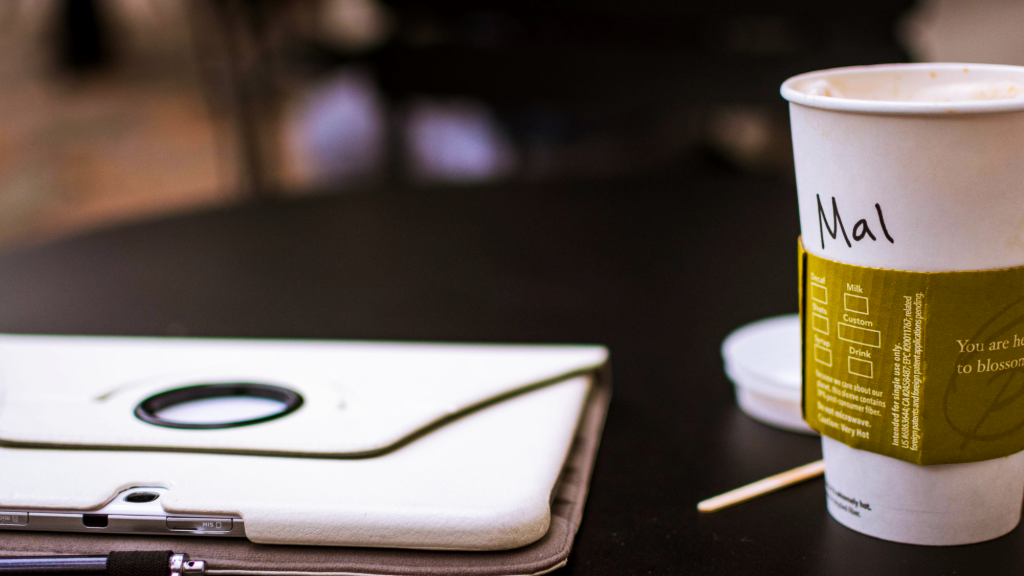
I’ve been living in the United States for more than ten years. Sometimes people think I’m a local—my favorite compliment as an English learner. I’ve written a book about everyday English, taught English to 100+ Japanese adults, and have run high-stakes meetings in English as the only non-native speaker there.
And yet a simple coffee order still has me rehearsing what I’m about to say in my head while I stand in line, hands damp. The scariest note? When the barista looks up and asks for my name.
If you like coffee shops where friendly baristas ask how your day is going, you know the routine. They take your order and your name, then call you when the drink is ready.
On my last trip back to Japan, this name-on-the-cup culture was just taking root. It felt fresh—and different. Many people there gave their last names, while in the U.S. we give our first names. Neither is better; they’re simply different ways to be polite.
My approach is “when in Rome”: adapt to the culture you’re in. Among language lovers we call this code-switching—changing how we speak or act depending on context. It’s a small, human kind of flexibility I find endearing.
So when it’s time to give my name for a 16-ounce paper cup, in a culture where first names are shared easily, I often give… a fake name. (Let’s call it an alias.) Sometimes it’s my husband’s name. Other times, my daughter’s. Most of the time it’s whatever pops up: Emma, Sarah, Jessica, Emily, Rachel.
It’s not about privacy. It’s about avoiding unnecessary drama around my real name: Sakuraco. In the U.S., it’s unusual and a bit long—four syllables. I often have to spell it out while the espresso machine sighs steam, the grinder screams like a race car, and other drinks are flying out. The moment is loud and fast, and I feel pressure to hurry. A short name keeps the line moving—and my heart steady.
When I’m feeling social (or brave), I use my real name. It often starts a warm conversation. But most days I keep the alias. It protects my anxious heart and keeps that three-minute exchange simple.
This is something I’ve learned in over a decade away from my homeland (my home island, really). Identity is fluid. The way I show up changes. The parts I share are like a kaleidoscope—the same pieces, turning into new patterns as the frame shifts.
For a long time, I thought “true fluency” across languages and cultures meant being an exact copy of myself in both worlds. Now, when I give a fictional name with a small, private grin, I feel that idea loosen. I remember: I’m not losing any part of me just because my cup says “Alex.” What matters is this—people who truly care will always try to say my real name, however long and tricky it may be.
And me? I’ll keep practicing. On days I feel brave, I’ll hand over Sakuraco with a steady voice. On busy days, I’ll borrow Emma and keep the line moving. Either way the coffee still tastes like courage,a small victory in my immigrant journey.